Rated Excellent
-
Celotex CW4000 | SopraTherm CW4000 Cavity Wall Insulation Board 450mm x 1200mm - All Sizes
Vendor:CelotexfromStandardFree Delivery over £380£456Regular price £61.99 £74.39Sale price £61.99 £74.39 Regular priceUnit price per£0.00 -
Kingspan Kooltherm K108 Cavity Board (All Sizes) 1200mm x 450mm
Vendor:KingspanfromStandardFree Delivery over £380£456Regular price £110.94 £133.13Sale price £110.94 £133.13 Regular priceUnit price per£0.00 -
Kingspan Kooltherm K106 90mm x 1.2m x 0.45m (2.16m2)
Vendor:KingspanStandardFree Delivery over £380£456Regular price £96.45 £115.74Sale price £96.45 £115.74 Regular priceUnit price per£0.00 -
Kingspan Kooltherm Cavity Closers (Pack of 10) - All Sizes
Vendor:KingspanfromStandardFree Delivery over £380£456Regular price £198.24 £237.89Sale price £198.24 £237.89 Regular priceUnit price per£0.00 -
Mannok Cavity 0.45m x 1.2m All Sizes
Vendor:MannokfromStandardFree Delivery over £380£456Guide Price: £132.18 Guide Price: £158.62 -
Rockwool RW3 (All Sizes)
Vendor:RockwoolfromStandardFree Delivery over £380£456Regular price £402.45 £482.94Sale price £402.45 £482.94 Regular priceUnit price per£0.00 -
Rockwool RW5 (All Sizes)
Vendor:RockwoolfromStandardFree Delivery over £380£456Regular price £633.37 £760.04Sale price £633.37 £760.04 Regular priceUnit price per£0.00 -
Rockwool Cladding Roll - All Sizes
Vendor:RockwoolfromStandardFree Delivery over £380£456POA -
Rockwool Cavity (All Sizes)
Vendor:RockwoolfromStandardFree Delivery over £380£456Regular price £700.94 £841.13Sale price £700.94 £841.13 Regular priceUnit price per£0.00 -
Knauf Dritherm Cavity Slab 37 (All Sizes) 1200mm x 455mm
Vendor:KnauffromStandardFree Delivery over £380£456Regular price £20.45 £24.54Sale price £20.45 £24.54 Regular priceUnit price per£0.00 -
Knauf Dritherm Cavity Slab 32 (455mm x 1200mm) - All Sizes
Vendor:KnauffromStandardFree Delivery over £380£456Regular price £33.24 £39.89Sale price £33.24 £39.89 Regular priceUnit price per£0.00 -
Knauf DriTherm Cavity Slab 34 (All Sizes)
Vendor:KnauffromStandardFree Delivery over £380£456Regular price £1,493.63 £1,792.36Sale price £1,493.63 £1,792.36 Regular priceUnit price per£0.00 -
Speedline PVCU Ext. XPS. Cavity Closer, 100mm x 2.4m Single Ext (Pack of 10)
Vendor:SpeedlineStandardFree Delivery over £380£456Regular price £83.30 £99.96Sale price £83.30 £99.96 Regular priceUnit price per£0.00 -
Ballytherm cavity 0.45m x 1.2m All Sizes
Vendor:BallythermfromStandardFree Delivery over £380£456Regular price £58.06 £69.67Sale price £58.06 £69.67 Regular priceUnit price per£0.00 -
Thin-R Cavity 60mm
Vendor:UnilinUnilinFree Delivery over £350£420Regular price £0.00 £0.00Sale price £0.00 £0.00 Regular priceUnit price per£0.00 -
Thermaclass Cavity Wall 21 (1190mm x 450mm) - All Sizes
Vendor:CelotexfromStandardFree Delivery over £380£456Regular price £103.25 £123.90Sale price £103.25 £123.90 Regular priceUnit price per£0.00 -
Sheepwool Loose Wool - 5Kg Pack
Vendor:SheepwoolRegular price £49.89 £59.87Sale price £49.89 £59.87 Regular priceUnit price per£0.00 -
Window and Door Filler Untied 200m Roll
Vendor:SheepwoolRegular price £79.85 £95.82Sale price £79.85 £95.82 Regular priceUnit price per£0.00 -
Thermo-Loc Platinum Plus FX Cavity Closer 2.4m - All Sizes
Vendor:TimlocfromTimlocFree Delivery over £200£240Regular price £152.00 £182.40Sale price £152.00 £182.40 Regular priceUnit price per£0.00 -
Thermo-Loc FRSTOP 60 min Fire-Rated Cavity Stop Sock - All Sizes
Vendor:TimlocfromTimlocFree Delivery over £200£240Regular price £5.10 £6.12Sale price £5.10 £6.12 Regular priceUnit price per£0.00 -
Thermo-Loc 60 min Fire-Rated Cavity Closer 2.4m - All Sizes
Vendor:TimlocfromTimlocFree Delivery over £200£240Guide Price: £138.52 Guide Price: £166.22 -
Thermo-Loc Platinum Multi Cavity Closer 2.4m - All Sizes
Vendor:TimlocfromTimlocFree Delivery over £200£240Regular price £111.10 £133.32Sale price £111.10 £133.32 Regular priceUnit price per£0.00 -
Thermo-Loc Platinum Plus Cavity Closer 2.4m - All Sizes
Vendor:TimlocfromTimlocFree Delivery over £200£240Regular price £119.88 £143.86Sale price £119.88 £143.86 Regular priceUnit price per£0.00 -
Celotex XR4200 | SopraTherm XR4200 200mm x 2.4m x 1.2m (Pallet of 12)
Vendor:CelotexStandardFree Delivery over £380£456Regular price £1,250.00 £1,500.00Sale price £1,250.00 £1,500.00 Regular priceUnit price per£0.00 -
Celotex XR4165 | SopraTherm XR4165 165mm 2.4m x 1.2m (Pallet Of 12)
Vendor:CelotexStandardFree Delivery over £380£456Regular price £959.88 £1,151.86Sale price £959.88 £1,151.86 Regular priceUnit price per£0.00 -
Next Day Delivery

Celotex TB4020 | SopraTherm TB4020 20mm 2.4m x 1.2m
Vendor:CelotexStandardFree Delivery over £380£456Regular price £15.49 £18.59Sale price £15.49 £18.59 Regular priceUnit price per£0.00 -
Fix & Fill Expanding Foam Filler
Vendor:EverbuildfromRegular price £7.68 £9.22Sale price £7.68 £9.22 Regular priceUnit price per£0.00 -
Penosil Universal StrawFoam 265 x 750ml (Hand Held)
Vendor:PenosilPenosilFree Delivery over £130£156Regular price £4.91 £5.89Sale price £4.91 £5.89 Regular priceUnit price per£0.00 -
Next Day Delivery
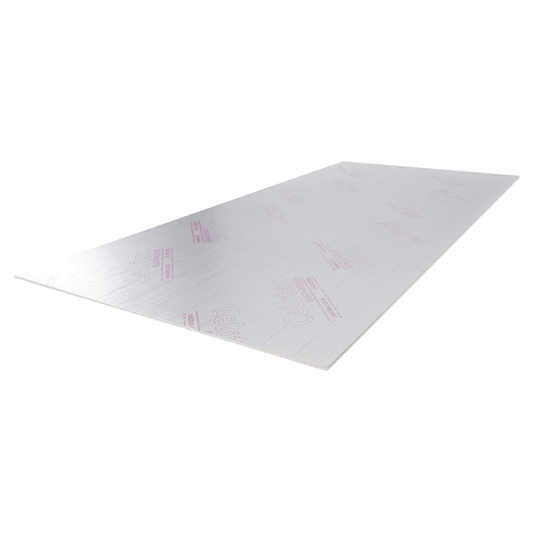
25mm Celotex TB4025 2.4m x 1.2m
Vendor:CelotexStandardFree Delivery over £380£456Regular price £13.94 £16.73Sale price £13.94 £16.73 Regular priceUnit price per£0.00 -
Next Day Delivery

120mm Celotex XR4120 | SopraTherm XR4120 2.4m x 1.2m
Vendor:CelotexStandardFree Delivery over £380£456Regular price £44.00 £52.80Sale price £44.00 £52.80 Regular priceUnit price per£0.00 -
Celotex CW4040 | SopraTherm CW4040 40mm
Vendor:CelotexStandardFree Delivery over £380£456Guide Price: £75.91 Guide Price: £91.09 -
Next Day Delivery
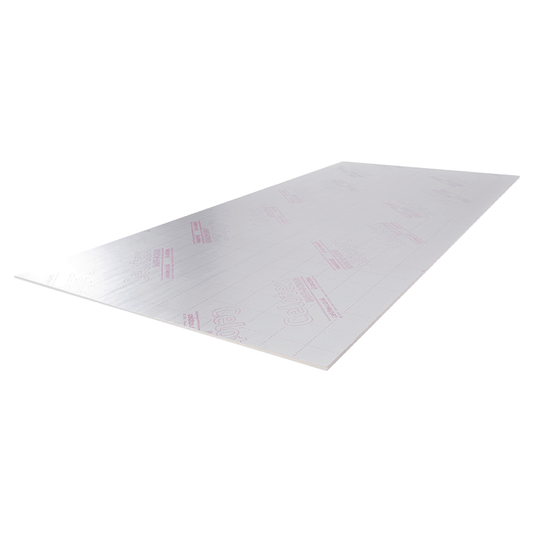
30mm Celotex TB4030 2.4m x 1.2m
Vendor:CelotexStandardFree Delivery over £380£456Regular price £16.70 £20.04Sale price £16.70 £20.04 Regular priceUnit price per£0.00 -
Next Day Delivery

75mm Celotex GA4075 | SopraTherm GA4075 2.4m x 1.2m
Vendor:CelotexStandardFree Delivery over £380£456Regular price £28.99 £34.79Sale price £28.99 £34.79 Regular priceUnit price per£0.00 -
Celotex CW4050 | SopraTherm CW4050 50mm
Vendor:CelotexStandardFree Delivery over £380£456Regular price £67.99 £81.59Sale price £67.99 £81.59 Regular priceUnit price per£0.00 -
Next Day Delivery
90mm Celotex GA4090 | SopraTherm GA4090 2.4m x 1.2m
Vendor:CelotexStandardFree Delivery over £380£456Regular price £36.50 £43.80Sale price £36.50 £43.80 Regular priceUnit price per£0.00 -
Next Day Delivery
140mm Celotex XR4140 | SopraTherm XR4140 2.4m x 1.2m
Vendor:CelotexStandardFree Delivery over £380£456Regular price £54.65 £65.58Sale price £54.65 £65.58 Regular priceUnit price per£0.00


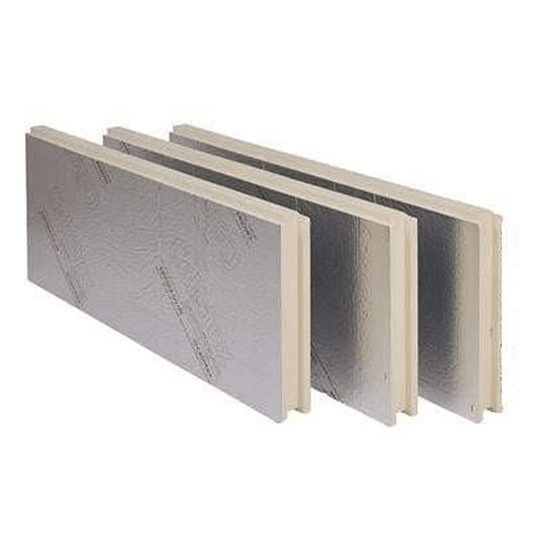


Cavity Wall Insulation | Cavity Wall Insulation Board | Cavity Insulation
Cavity wall insulation is an essential component in modern construction, offering energy efficiency and comfort to buildings. At Build4Less, we provide a comprehensive range of insulation solutions tailored to meet various requirements and budgets.
Types of Cavity Wall Insulation Products
Polyisocyanurate (PIR) Boards
Products like the Celotex CW4000 and Kingspan Kooltherm series are premium PIR boards known for their excellent thermal performance and compressive strength. These boards are easy to handle and install, making them ideal for new construction and refurbishment projects.
Mineral Wool Insulation
Rockwool products, such as RW3, RW5, and Rockwool Cavity, offer superb acoustic insulation, fire resistance, and thermal properties. These are particularly suited for projects where fire safety and sound reduction are priorities.
Glass and Stone Wool Slabs
Knauf Dritherm Cavity Slabs are non-combustible, water-repellent glass mineral wool slabs that provide thermal and acoustic insulation in cavity walls. They are designed to maintain their structural integrity over time, ensuring long-lasting performance.
Expanded Polystyrene (EPS) Boards
High-density EPS 200E boards are versatile and cost-effective insulation solutions. They are suitable for various applications, including cavity wall insulation, due to their excellent resistance to moisture and high insulation values.
Cavity Closers
Kingspan Kooltherm Cavity Closers prevent thermal bridging and provide a clean finish around openings in cavity walls. These are essential for energy-efficient construction, ensuring that the insulation continuity is maintained around windows and doors.
Speciality Insulation Products
Products like Sheepwool Loose Wool and Window and Door Filler provide sustainable and natural alternatives for cavity wall insulation, offering breathability and moisture control.
Hybrid Insulation Materials
Hybrid materials such as HControl Hybrid combine insulation with a reflective surface to provide a unique solution for thermal regulation, while Thin-R Cavity offers a slim-profile PIR solution for tight spaces.
Cavity Insulation
Cavity insulation is an effective way to improve the energy efficiency of a property by reducing heat loss through external walls. Installed within the cavity between the inner and outer walls, it helps retain warmth during colder months and keeps interiors cooler in warmer weather.
Selecting the Right Cavity Wall Insulation
When choosing cavity wall insulation:
- Consider the U-value requirements for your project; lower U-values mean better insulation.
- Evaluate the fire rating needed, especially for high-risk areas or multi-story buildings.
- Think about acoustic needs; if sound insulation is a priority, mineral wool may be the best choice.
- Assess the space available; if the cavity is narrow, slim-profile boards like Thin-R Cavity could be ideal.
- For eco-friendly projects, consider natural options like Sheepwool products.
Benefits of Cavity Wall Insulation
- Energy Savings – Lower heating and cooling costs by reducing heat loss through walls.
- Improved Comfort – Creates a consistent indoor temperature all year round.
- Noise Reduction – Mineral wool slabs and stone wool products also absorb sound for quieter living.
- Sustainability – Many options are recyclable or made from natural fibres.
- Fire Safety – Full-fill mineral wool insulation is A1 non-combustible, offering additional protection.
- Space Efficiency – Phenolic and PIR boards achieve high thermal performance in slimmer wall cavities.
Applications of Cavity Wall Insulation
- New-build homes and extensions – Cavity Wall Insulation is used to meet U-value targets and comply with Approved Document L.
- Commercial buildings – Cavity Wall Insulation is used in Offices, schools, and healthcare facilities where energy performance is key.
- High-exposure areas – Cavity Wall Insulation is used in Mineral wool solutions are widely specified in coastal or exposed regions.
- Refurbishments – Cavity Wall Insulation is Ideal for upgrading existing cavity wall systems to meet modern efficiency standards.
Installation Tips for Solid Wall Insulation
- Always follow manufacturer guidelines and BBA certificates.
- For partial-fill boards, maintain the required residual cavity and tightly butt boards together.
- Stagger joints and tape foil faces where recommended to minimise thermal bridging.
- Keep insulation dry before and during installation to protect performance.
- Use the correct cavity ties and retainers with mineral wool slabs.
- Ensure all wall openings are properly detailed with cavity closers for airtightness and thermal continuity.
Why Choose Mineral Wool for Cavity Insulation?
Mineral wool is one of the most widely used materials for cavity insulation due to its excellent thermal, acoustic, and fire-resistant properties. Suitable for a variety of construction types, it helps reduce heat loss through external walls while allowing the building to breathe. Whether you are installing cavity insulation in a new build or upgrading an existing property, choosing the correct wall insulation solution can significantly improve your home's energy efficiency and year-round comfort.
Installing Cavity Wall Insulation
Installing cavity wall insulation involves filling the gap between external and internal walls with a suitable insulating material to reduce unwanted heat transfer. Depending on the type of property, professionals may install cavity insulation by injecting material through carefully drilled holes in the external wall. A correctly installed cavity wall insulation system helps minimise damp issues caused by condensation while improving the overall thermal performance of the home.
Complete your insulation project with our PIR Insulation Boards collection for high-performance thermal insulation suitable for walls, floors, and roofs. You may also be interested in our Loft Insulation range to reduce heat loss through roof spaces and improve your property's energy efficiency. For internal projects, browse our Insulated Plasterboard collection, while our Breather Membranes range helps protect the building envelope from moisture while allowing vapour to escape.
Frequently Asked Questions
What is cavity wall insulation?
Cavity wall insulation is installed within the gap between external walls to reduce heat loss and improve the energy efficiency of a building.
What materials are used for cavity wall insulation?
Common materials include mineral wool, rigid insulation boards, and specialist cavity insulation products designed for different wall constructions.
How is cavity wall insulation installed?
For existing properties, installers typically drill small holes into the external wall and inject insulation into the cavity. New-build properties usually have insulation installed during construction.
Is cavity wall insulation suitable for all homes?
Most properties with cavity walls can benefit from insulation, although a professional assessment should always be carried out before installation.
How long does cavity wall insulation last?
Quality cavity wall insulation can last for many decades when properly installed and maintained.
What are the benefits of mineral wool cavity insulation?
Mineral wool offers excellent thermal insulation, sound reduction, moisture resistance, and fire performance, making it one of the most popular cavity wall insulation materials.