Rated Excellent
You may be interested in

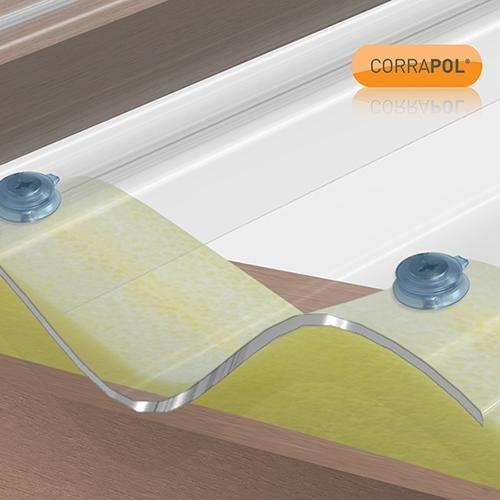
Corrapol Clear 65mm Fixings (Pack of 20)

Cladco 32mm Screw to Wood & 19mm Bonded Washer (Pack of 100)

Cladco Composite Decking T-Clip Fixings and Screws (Pack of 100)

13mm Stainless Steel Pan Head Square Drive Self-Drill Joist Screw for Joist Connectors (pack of 200)

Cladco Composite Wall Cladding M4 x 40 Stainless Steel Wood Screw (Pack of 100)

Cladco Composite Decking Starter Clips (Pack of 50)

Black Coarse Thread Drywall Screws (1000 Per Box) - All Sizes

Cladco 45mm Screw to Wood & 19mm Bonded Washer (Pack of 100)

Performance PLUS Woodscrew - All Sizes

38mm Stainless Steel Square Drive CSK Head Self-Drill Screw for Plastic Clips ( pack of 200)

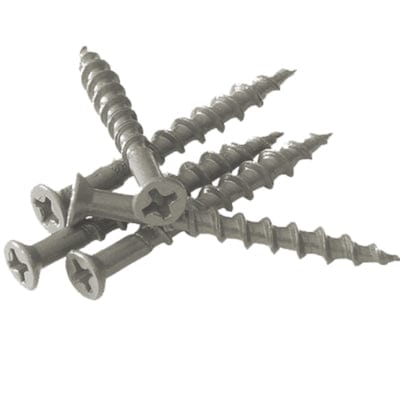
Composite Batten Cladding Screw M4

Ridge Fixing Set - Screws & Clamps

Hyperion Starter Fasteners (100 Per Box)

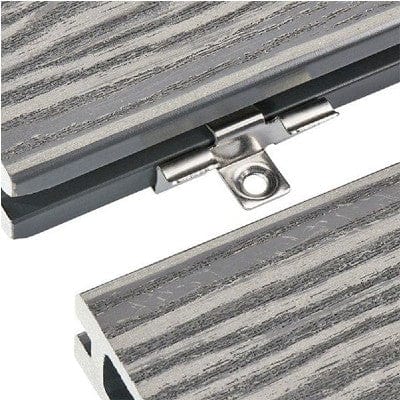
Cladco Composite Decking Stainless Steel Clips + M4 x 30 Stainless Steel Wood Screws (Pack of 100)

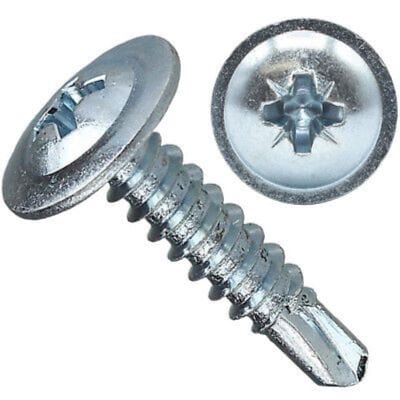
MF20 Wafer Head Self Drill Screw For MF 12mm (1000)

Lyte Ridge Hook

Hyperion Fasteners 6mm (100 Per Box)

Cladco 65mm Screw to Wood with BAZ Washer - Pack of 100

Stainless Steel Square Drive CSK Head Self-Drill Screw for Metal Clips (pack of 200) - All Sizes

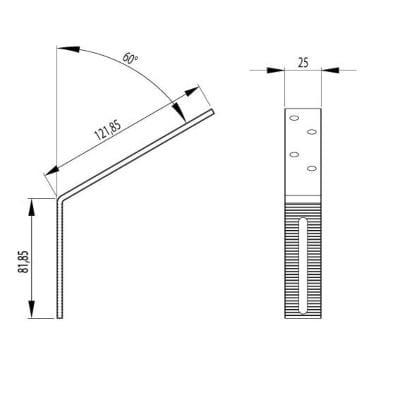
Bracket Support x 125mm (Galvanised)
Upvc Nails | Nails | Pins | Nail
Upvc Nails
UPVC nails are specially designed nails used for installing uPVC (unplasticized polyvinyl chloride) fascias, soffits, and cladding. These nails are made from stainless steel or electroplated zinc-coated steel, which makes them resistant to corrosion, rust, and weathering.
UPVC nails are typically ring-shanked or helically threaded, which provides a strong grip and prevents the nail from coming loose over time. They also have a large head with a wide diameter, which helps to secure the uPVC material in place and prevent it from cracking or splitting.
UPVC nails are typically used with a pneumatic nail gun or a hammer and are suitable for both internal and external applications.
Overall, UPVC nails are an important component in the installation of uPVC fascias, soffits, and cladding, and are essential for ensuring a secure and long-lasting installation.
What are plastic headed pins used for?
Plastic headed pins are small pins with a plastic head and a metal shank. They are used in a variety of applications where a temporary fastener is needed. Here are some common uses for plastic headed pins:
Sewing: Plastic headed pins are commonly used in sewing and quilting projects to hold the fabric in place while stitching. The plastic head prevents the pin from slipping out of the fabric and also makes it easy to remove the pin without damaging the fabric.
Crafts: Plastic headed pins are popular in arts and crafts projects, such as making wreaths, floral arrangements, and other decorative items. They can be used to secure materials such as ribbon, paper, and felt.
Office use: Plastic headed pins are commonly used in office settings for bulletin boards and to attach documents to cork boards or other surfaces.
Display boards: Plastic headed pins are commonly used to attach posters, signs, and other materials to display boards, such as those used at trade shows and exhibitions.
Upholstery: Plastic headed pins are used in upholstery work to hold the fabric in place while it is being sewn onto furniture frames.
Overall, plastic headed pins are a versatile and handy fastener that can be used in a wide range of applications. They are easy to use, affordable, and come in a variety of sizes and colors.
What are poly pins?
Poly pins are a type of plastic fastener that is commonly used in the horticulture and agriculture industries. They are used to secure fabric, netting, or plastic sheeting to the ground in order to protect plants and crops from wind, rain, and other weather conditions.
Poly pins are typically made from polypropylene, which is a strong and durable plastic that is resistant to weathering, UV light, and chemical degradation. They come in a variety of lengths, ranging from a few inches to several feet, and have a barbed or ribbed design that helps to hold the material in place.
Poly pins are easy to install and remove and are a popular alternative to traditional metal pins or stakes. They are often used in conjunction with ground cover fabrics, insect nets, shade cloth, and other protective materials.
What are the different types of nails?
There are many different types of nails, each designed for specific purposes and applications. Here are some common types of nails:
1. Common nails: These are the most common type of nails used in construction. They have a flat head and a tapered shank and are available in a range of sizes.
2. Finish nails: These nails are used for finishing work, such as attaching trim and molding. They have a smaller head and a straight shank and are often used with a nail gun.
3. Brad nails: These are very thin nails that are used for delicate work, such as attaching thin molding or trim. They are often used with a nail gun.
4. Roofing nails: These nails are used for attaching roofing materials, such as shingles. They have a large head and a sharp point and are often coated with a rust-resistant material.
5. Masonry nails: These nails are designed for use in concrete, brick, and other masonry materials. They have a fluted shank and a sharp point.
6. Upholstery nails: These nails are used in upholstery work to attach the fabric to furniture frames. They have a decorative head, such as a button or stud.
These are just a few examples of the many types of nails available. The type of nail you choose will depend on the specific application and the material you are working with.