Rated Excellent
You may be interested in

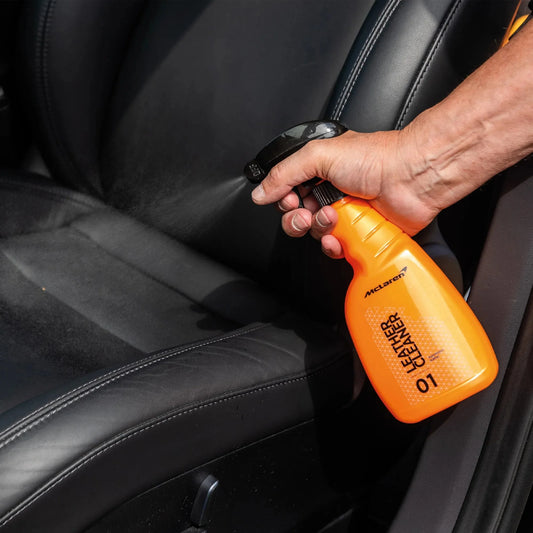
01 Mclaren Leather Cleaner


02 Mclaren Fabric Cleaner

101 Mclaren Engine Degreaser

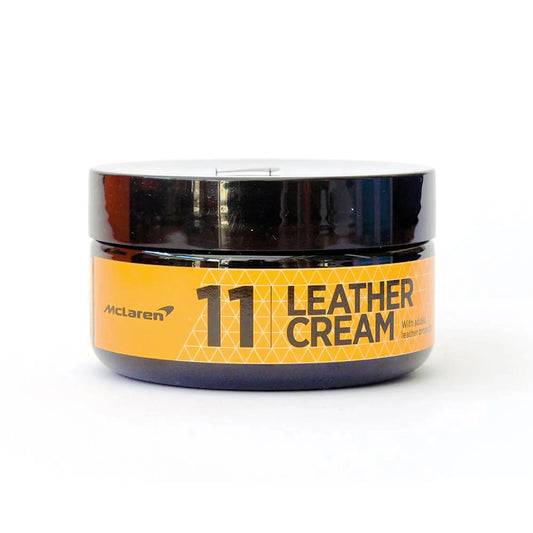
11 Mclaren Leather Cream

2K Aerosol Spray Paint - Any Substrate - Any Finish - Any Colour

33 Bug and Tar Remover

33 McLaren Bug & Tar Remover

34 Fallout Remover

36 Mclaren Waterless Wash & Wax

37 Mclaren Wash & Wax

381C 174 Orient Blue 400ml Aerosol Available in any Finish

381C 175 Light French blue 400ml Aerosol Available in any Finish

381C 210 Sky 400ml Aerosol Available in any Finish

381C 216 Eau de Nil 400ml Aerosol Available in any Finish

381C 217 Sea green 400ml Aerosol Available in any Finish

381C 172 Pale roundel blue 400ml Aerosol Available in any Finish

381C 218 Grass green 400ml Aerosol Available in any Finish

381C 219 Sage Green 400ml Aerosol Available in any Finish

381C 220 Olive green 400ml Aerosol Available in any Finish

381C 221 Brilliant green 400ml Aerosol Available in any Finish
Vinyl Matt Emulsion White | Vinyl Matt Emulsion Paint | White Vinyl Matt Emulsion | Paint
Vinyl Matt Emulsion White
Vinyl matt emulsion white is a type of paint finish commonly used for interior walls and ceilings. It is a water-based paint that dries to a smooth, low-sheen, and opaque finish. The term vinyl refers to the presence of vinyl resins in the paint, which provides durability, washability, and resistance to staining. Vinyl matt emulsion white is popular for its versatility and ease of use. It is commonly used in residential and commercial spaces due to its ability to hide imperfections on walls and ceilings while providing a clean and modern look. The white color is a popular choice as it can brighten up a space, making it feel larger and more inviting. Vinyl matt emulsion white is typically applied using a roller or brush, and it dries relatively quickly to a matte finish, which means it has a non-reflective, smooth appearance. It is often used in areas such as bedrooms, living rooms, and hallways, as well as in kitchens and bathrooms where durable and washable paints are desired.
What is Emulsion?
Emulsion, in the context of paints, refers to a type of water-based paint that consists of pigment particles suspended in a water-based binder. The binder helps to hold the pigment particles together and adhere them to the surface being painted. Emulsion paint is also known as latex paint, and it is one of the most commonly used types of paint for interior walls and ceilings.
Emulsion paint is called "emulsion" because it forms a stable mixture of two immiscible (unmixable) liquids: water and the paint binder. The paint binder typically consists of a polymer resin that forms a film as the paint dries, providing the desired finish and durability.
Emulsion has several advantages, including:
Easy clean-up: Emulsion is water-based, making it easy to clean up with water and soap. This makes it convenient for DIY projects and reduces the need for harsh chemicals for clean-up.
Quick drying: Emulsion typically dries quickly, allowing for faster painting and re-coating.
Low odor: Emulsion tends to have lower levels of volatile organic compounds (VOCs), which are harmful chemicals that can be released into the air during painting and may pose health risks.
Versatility: Emulsion comes in a wide range of colors and finishes, including matt, silk, satin, and gloss, allowing for various design options and customization.
The emulsion is commonly used for painting interior walls and ceilings in homes, offices, and commercial buildings. The emulsion is suitable for a wide range of surfaces, including plaster, drywall, and masonry, and emulsions provide a durable and washable finish.
What's the difference between vinyl Matt and Matt emulsion?
Vinyl matt and matt-type emulsion are two types of paint finishes commonly used in the painting industry. The main difference between them lies in their composition and the appearance of the finishes they produce.
Vinyl matt: Vinyl matt type paints contain vinyl resins, which are synthetic polymers that provide durability, washability, and resistance to staining. Vinyl matt-type paints have a higher sheen level, typically ranging from 5-10% gloss level, which gives it a slight sheen or shines when dry. Vinyl matt-type paints are known for their durability and ability to withstand regular cleaning, making them suitable for high-traffic areas and areas that may be prone to dirt or stains.
Matt emulsion: Matt-type emulsion paints, on the other hand, have a completely flat or non-reflective finish when dry. It typically has a lower sheen level, usually ranging from 0-2% gloss level, which gives it a smooth, velvety paint appearance. Matt emulsion-type paint is often used to create a modern and sophisticated look on interior walls and ceilings. However, this paint may not be as durable or washable as vinyl matt paints and may require more careful handling and maintenance.
What is vinyl matt emulsion used for?
Vinyl matt emulsion paint is a type of paint that is commonly used for interior wall and ceiling applications. It is known for its smooth finish, durability, and washability, making it suitable for a wide range of spaces within a home or other interior environments. Vinyl matt emulsion-type paint is often used in living rooms, bedrooms, hallways, and other areas where a smooth and sophisticated appearance is desired. This paint can be applied to a variety of surfaces, such as plaster, plasterboard, and previously painted walls or ceilings. Vinyl matt emulsion-type paint is available in a wide range of colors, allowing for creative expression and customization in interior design.
Are vinyl matt paints worth it?
Yes, vinyl matt paint can be worth it depending on your specific needs and preferences. Here are some considerations to help you determine if vinyl matt paint is a good choice for you:
Aesthetics: Vinyl matt-type paint provides a smooth, matt finish that can create a modern and sophisticated look in your home or space. It has a flat appearance that can help to hide imperfections on the wall surface, making it a popular choice for walls with minor flaws or uneven textures.
Durability: Vinyl matt-type paint is known for its durability and ability to withstand wear and tear, making it ideal for high-traffic areas such as hallways, living rooms, and bedrooms. It is also highly resistant to stains and can be easily wiped clean, which makes it suitable for areas that are prone to dirt and grime.
Longevity: Vinyl matt-type paint is known to have a long lifespan, which means you won't have to repaint your walls as frequently compared to other types of paint. This can save you time and money in the long run, making it a cost-effective choice.
Application: Vinyl matt-type paint is typically easy to apply, providing good coverage with minimal effort. It is also quick-drying, which can save you time & be a smart choice during the painting process.
Health and Safety: Vinyl matt-type paint is generally considered to be low in VOCs (volatile organic compounds), which are harmful chemicals that can be released into the air during painting and may pose health risks. Choosing vinyl matt-type paint with low VOCs can be beneficial for indoor air quality and the health of your family.
However, it's important to note that vinyl matt-type paint may not be the best option for all situations. For example, if you need a paint finish that is washable or scrubbable, or if you are painting a high-moisture area such as a bathroom or kitchen, other types of paint such as satin or semi-gloss may be more suitable.
In conclusion, vinyl matt-type paint can be worth it depending on your specific requirements for aesthetics, durability, longevity, ease of application, and health and safety. It's always a good choice to consider your needs, budget, and the specific requirements of your project before making a decision on the type of paint to use.
Is white color a good idea for emulsion?
Yes, white color is generally a good idea for emulsion in certain applications. Here are some reasons why:
Versatility: White is a versatile color that can be used in a wide range of applications, from interior and exterior paints to industrial coatings. It can be easily combined with other colors to create various shades and tones, making it a popular choice for emulsion.
Reflectivity: White is a highly reflective color that can help bounce back light, making a space or surface appear brighter and more spacious. This can be particularly useful in interior paints for rooms with little natural light, as it can help create a brighter and more inviting environment.
Neutrality: White is considered a neutral color that can easily complement other colors and design elements. It can be used as a base color for other decorative elements, also allowing for flexibility in design and décor choices for paint.
Cleanliness: White is often associated with cleanliness and purity, making it a popular choice paint for emulsion in spaces where hygiene is essential, such as hospitals, kitchens, and bathrooms. A pure brilliant white color can help create a clean and fresh look, which is particularly desirable in environments where cleanliness is a priority.
However, it's important to consider factors such as lighting conditions, intended use, and personal preferences when choosing the color for emulsion, as other colors may be more suitable depending on the specific application.
What tools are commonly used for emulsion?
Some commonly used tools for emulsion paint application include:
Paint brushes or rollers: These are essential tools for applying emulsion paint onto surfaces. Paint brushes are typically used for cutting in or painting smaller areas, while rollers are used for larger surfaces to achieve a smooth and even finish.
Paint tray: A paint tray is used to hold the emulsion paint while using a roller. It is one of the essential tools which helps to evenly distribute the paint on the roller for easy and efficient application.
Masking tape: Masking tape is used to create clean edges and borders when painting.It is one of the tools which helps to protect areas that should not be painted, such as window frames, baseboards, and door frames, and ensures sharp lines.
Drop cloths or plastic sheets: Drop cloths or plastic sheets are tools used to protect the surrounding surfaces from paint splatters and spills. They can be placed on the floor, furniture, and other surfaces to prevent paint damage.
Stirring sticks: Stirring sticks are used to thoroughly mix the emulsion paint before application. These are one of the accessories which help to ensure that the paint is well-mixed and the pigments are evenly distributed for consistent color.
Clean water and rags: Clean water and rags are essential tools for cleaning up spills, brushes, rollers, and other painting tools. These tools are also used for general cleaning and maintenance during and after painting.
Sandpaper or sanding block: Sandpaper or a sanding block is used to smoothen the surface before painting. It helps to remove any rough patches, bumps, or imperfections on the surface, ensuring a smooth paint application.
Paint cans or containers: Paint cans or container tools hold the emulsion paint for easy access and application. They should be clean and properly sealed to keep the paint fresh and prevent contamination.
Using the right emulsion paint tools is important for achieving professional-looking results, protecting surfaces, and ensuring efficient and effective application.