Rated Excellent
You may be interested in

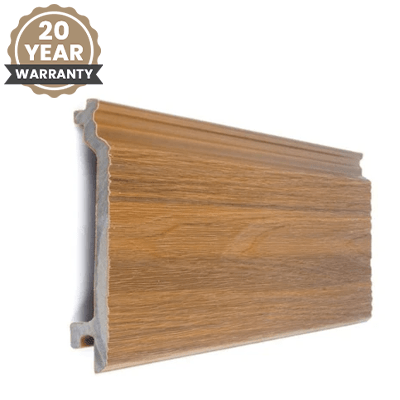
C-Clad Capped Composite Woodgrain Effect Cladding Board 21mm x 150mm x 3.6m - All Colours

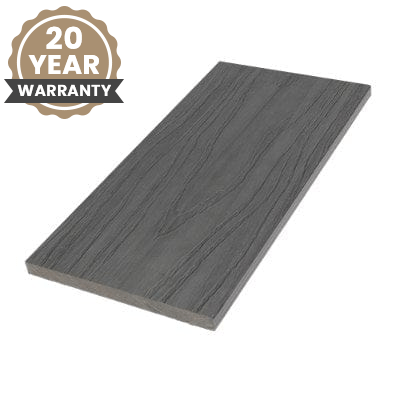
C-Clad Composite Fascia Board 11mm x 140mm x 2.5m - All Colours

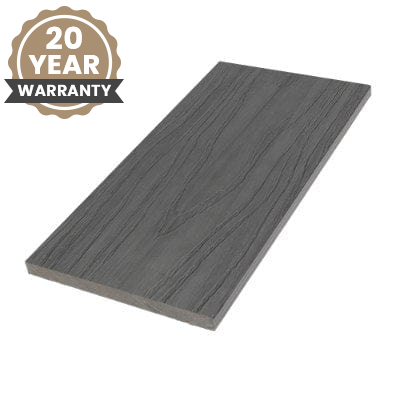
C-Clad Composite Fascia Board 11mm x 70mm x 2.5m - All Colours

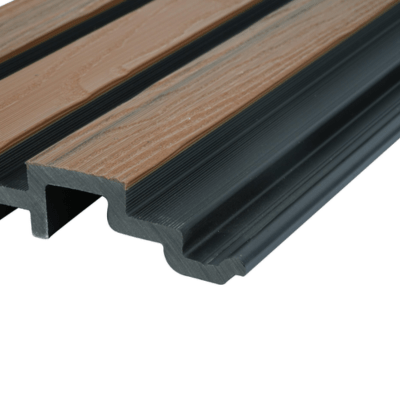
ShadowClad Exterior Composite Cladding Slatted Panel 2900mm x 175mm x 25mm - All Colours

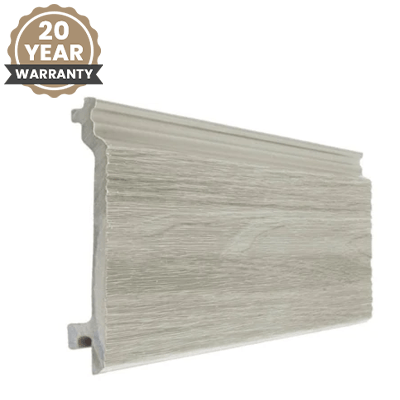
C-Clad Cladding Sample Pack

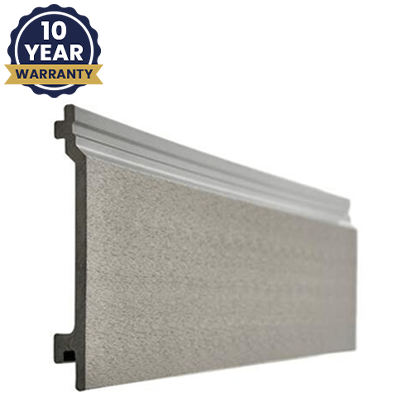
Cladco Composite Wall Cladding Board 157mm x 22mm x 3.6m - All Colours

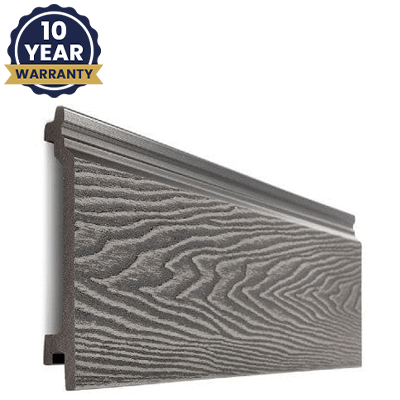
Cladco Composite Woodgrain Effect Wall Cladding Board 157mm x 22mm x 3.6m - All Colours

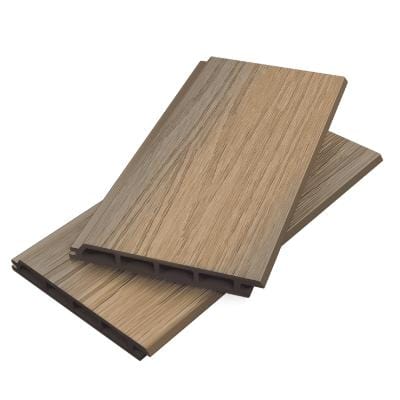
Piranha Premium Composite Cladding Board 150mm x 20mm x 3.6m - All Colours

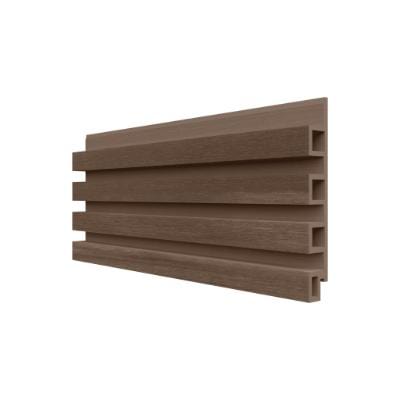
Piranha Shadow Gap Cladding Board - All Colours

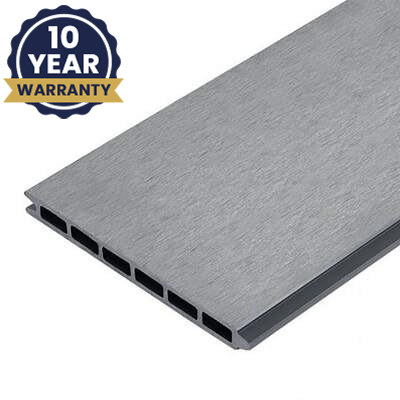
Cladco Composite Fence Panel 210mm x 21mm x 3.6m - All Colours

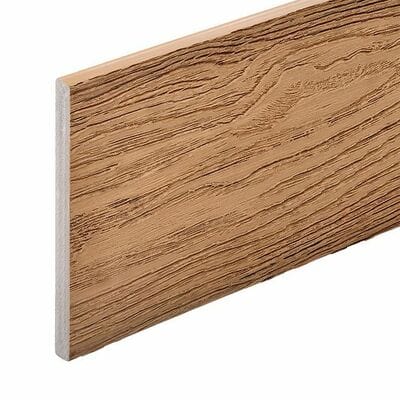
Cladco Capstock PVC ASA Premium Woodgrain Effect Fascia Board 140mm x 15mm x 3.6m - All Colours

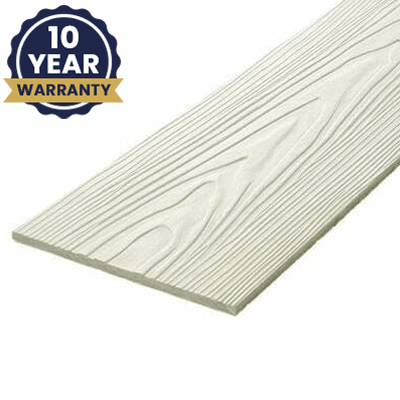
Cladco Exterior Wall Fibre Cement Cladding Board 210mm x 8mm x 3.66m - All Colours

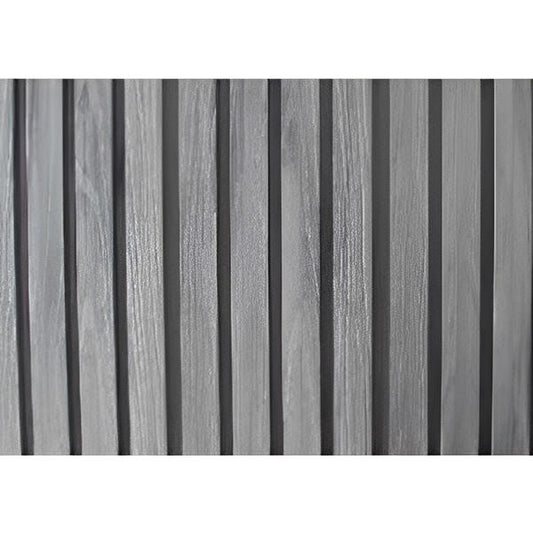
Composite Batten Cladding - All Colours

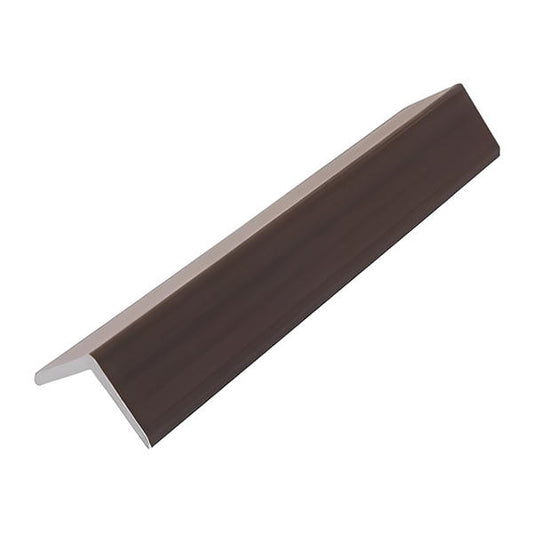
Composite Batten Cladding L Corner - All Colours

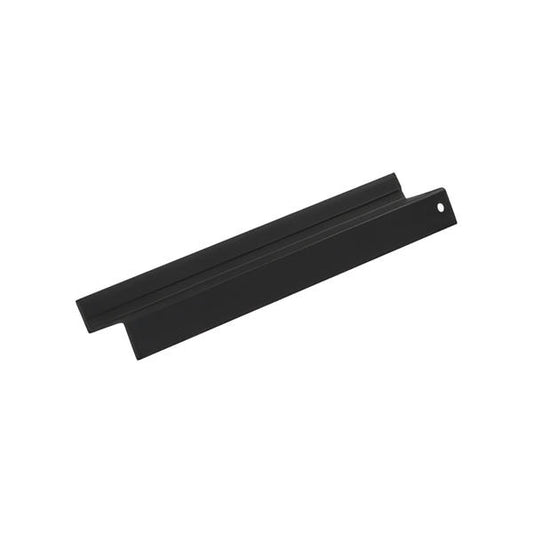
Composite Batten Cladding Steel Drip Trim

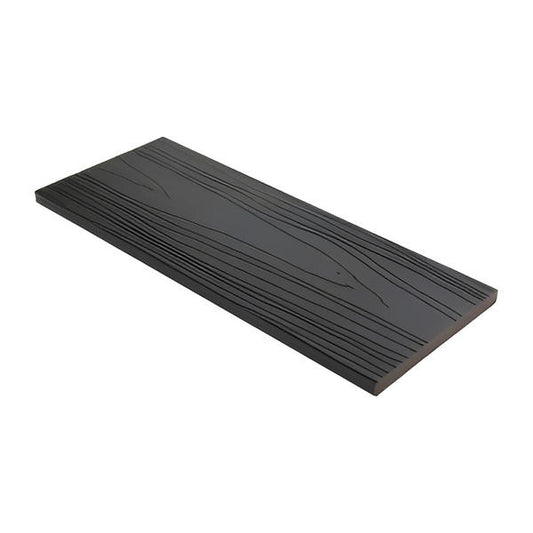
Composite Batten Cladding Edge Board - All Colours

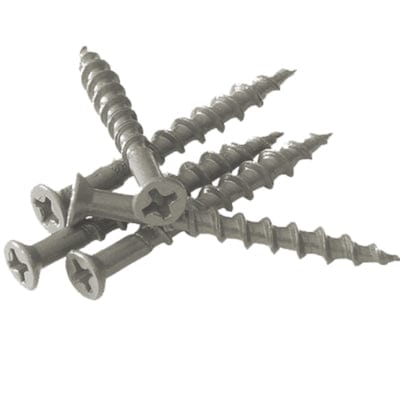
Composite Batten Cladding Screw M4

Composite Batten Cladding Fixing Screw M4 x 25mm (100 per Box)

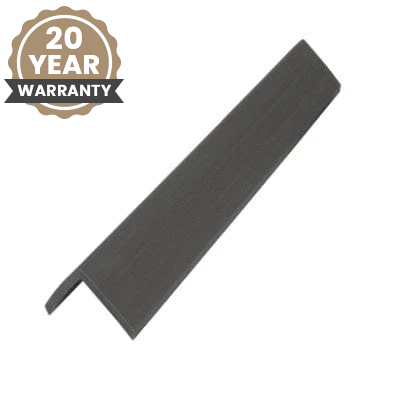
C-Clad Composite Corner Angle Trim 50mm x 50mm x 3m - All Colours

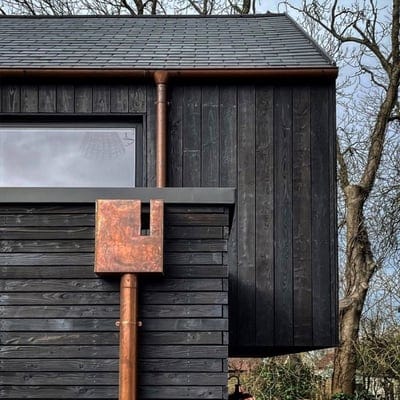
Iro Japanese Redwood External Cladding Board 22mm x 145mm x 3.6m (Pack of 4) - All Colours
Upvc Exterior Cladding | External | Upvc Cladding | Upvc Shiplap Cladding
Upvc Exterior Cladding
UPVC exterior cladding refers to a type of cladding material that is made from Unplasticized Polyvinyl Chloride (UPVC). It is a popular choice for cladding the exterior of buildings because it is durable, weather-resistant, and requires little maintenance.
UPVC exterior cladding is available in a variety of colours and textures, making it a versatile choice for a range of building styles. It is also lightweight, which makes it easy to install and reduces the need for structural support.
What is cladding and what are its types?
Cladding refers to the application of external material to the outside of a building or structure, with the purpose of providing protection and/or aesthetic enhancement. The cladding material is typically attached to the walls or roof of the building and can serve several purposes, such as insulation, weatherproofing, soundproofing, and improving the building's overall appearance. Cladding can be made from a variety of materials, including wood, metal, vinyl, brick, stone, and fibre cement. The choice of cladding material will depend on factors such as the desired aesthetic, durability requirements, and budget.
There are several types of cladding, including:
Timber cladding: Timber cladding is a popular choice for its natural look and ability to blend in with the surrounding environment. It can be made from a variety of wood types, including cedar, oak, and pine.
Metal cladding: Metal cladding can be made from materials such as aluminum, steel, and zinc. It is known for its durability and low maintenance requirements.
Vinyl cladding: Vinyl cladding is a cost-effective option that is easy to install and requires minimal maintenance. It is available in a range of colours and styles, making it a versatile choice for many applications.
fibre cement cladding: fibre cement cladding is a composite material made from cement, sand, and cellulose fibres. It is known for its durability, resistance to moisture and fire, and low maintenance requirements.
Brick cladding: Brick cladding involves applying a layer of bricks to the outside of a building or structure. It is known for its durability and low maintenance requirements and can be made from a variety of brick types.
Stone cladding: Stone cladding involves applying a layer of stone to the outside of a building or structure. It is known for its natural look and durability and can be made from a variety of stone types, including granite, limestone, and sandstone.
Each type of cladding has its own unique benefits and considerations, and the choice of cladding material will depend on factors such as the desired aesthetic, durability requirements, and budget.
What are the advantages of cladding?
Cladding offers several advantages for buildings and structures. Some of these advantages include:
- Protection: Cladding helps protect the building or structure from the elements, including wind, rain, and sunlight, which can cause damage over time.
- Insulation: Cladding can improve the building's insulation, helping to reduce heat loss in the winter and heat gain in the summer. This can lead to reduced energy consumption and lower heating and cooling costs.
- Aesthetics: Cladding can enhance the building's appearance, improving its curb appeal and potentially increasing its value.
- Durability: Cladding materials are often durable and long-lasting, providing protection for the building or structure over a long period of time.
- Low maintenance: Many cladding materials require little to no maintenance, helping to reduce the overall cost of owning and maintaining a building or structure.
- Sound insulation: Some types of cladding can provide sound insulation, reducing noise pollution from outside the building.
Overall, cladding can provide a range of benefits for buildings and structures, making it a popular choice for both functional and aesthetic reasons.
What is exterior cladding used for?
Exterior cladding is a material that is used to cover the exterior walls of a building. It serves both functional and aesthetic purposes.
Functionally, exterior cladding helps protect a building from the elements, such as wind, rain, and sun exposure. It can also provide insulation, which can help to reduce energy costs and improve the overall energy efficiency of a building.
Aesthetically, exterior cladding can be used to enhance the appearance of a building. It is available in a wide variety of colours, textures, and materials, which can be used to create a unique and visually appealing exterior.
Overall, exterior cladding is an important component of building design, serving both functional and aesthetic purposes. The choice of material will depend on factors such as budget, maintenance requirements, and desired aesthetic.
Is upvc cladding good for the exterior?
Yes, upvc-type cladding is a good option for exterior use. The uPVC, or unplasticized polyvinyl chloride, is a durable and weather-resistant material that is well-suited for use as exterior cladding.
uPVC type cladding is available in a range of colours and textures, allowing it to be used in a variety of architectural styles. It is also lightweight, making it easy to install and reducing the need for additional structural support.
One of the main benefits of uPVC is its low maintenance requirements. Unlike other materials such as wood or metal, uPVC does not require painting or staining and can be easily cleaned with soap and water. It is also resistant to rot and decay, making it a durable option for exterior use.
Upvc-type cladding can also provide insulation, helping to improve the energy efficiency of a building. It can help to reduce heat loss, which can lower energy costs and improve comfort levels.
Overall, upvc-type cladding is a good option for exterior use due to its durability, low maintenance requirements, and ability to provide insulation. It is a versatile material that can be used in a variety of architectural styles and is well-suited for both residential and commercial applications.
What is shiplap cladding used for?
Shiplap cladding is a type of exterior cladding that is used for both functional and aesthetic purposes. It is made up of overlapping boards that interlock, creating a weather-resistant barrier for the exterior walls of a building.
Functionally, shiplap exterior cladding helps to protect a building from the elements, such as wind, rain, and sun exposure. The interlocking design of the boards helps to prevent moisture from penetrating the walls, which can lead to rot and decay.
Aesthetically, shiplap cladding is a popular choice for its clean and contemporary look. It is available in a range of colours and materials, such as wood, vinyl, and fibre cement, which can be used to create a variety of design styles.
Shiplap cladding is commonly used on residential and commercial buildings, such as homes, barns, and warehouses. It is also used in the construction of garden sheds, outdoor rooms, and other outdoor structures.
Overall, shiplap cladding is a versatile and durable option for exterior cladding, providing both functional and aesthetic benefits. It is a popular choice for its contemporary look and weather-resistant properties.
What is wall cladding?
Wall cladding refers to a material that is used to cover the exterior or interior walls of a building. It serves both functional and aesthetic purposes.
Functionally, wall cladding can help to protect a building from the elements, such as wind, rain, and sun exposure. It can also provide insulation, which can help to reduce energy costs and improve the overall energy efficiency of a building.
Aesthetically, wall cladding can be used to enhance the appearance of a building. It is available in a wide variety of colours, textures, and materials, which can be used to create a unique and visually appealing look.
Overall, wall cladding is an important component of building design, serving both functional and aesthetic purposes. The choice of material will depend on factors such as budget, maintenance requirements, and desired aesthetic.
How do I install uPVC external cladding?
Here are the general steps for installing upvc type external cladding:
- Prepare the surface: Ensure that the surface is clean, dry, and free of any loose or flaking material. Repair any damage or cracks, and make sure the surface is smooth and even.
- Measure and cut the cladding: Measure the area to be covered and cut the cladding panels to size using a saw. Be sure to leave a small gap between panels to allow for expansion.
- Install the starter strip: Attach the starter strip to the bottom of the wall, making sure it is level and straight.
- Install the first panel: Attach the first panel to the starter strip, using nails or screws. Make sure it is level and straight, and leave the recommended gap between panels.
- Install subsequent panels: Attach subsequent panels in the same manner, making sure they are level and straight.
- Cut and install corner trims: Measure and cut corner trims to size, and install them at the corners of the building. Be sure to leave a small gap between the trim and the cladding to allow for expansion.
- Install edge trims: Install edge trims at the top and bottom of the cladding to provide a finished look and to help prevent moisture from entering.
- Seal and finish: Seal any gaps or joints between panels with silicone sealant. Finish the cladding with any desired accessories, such as vents or lighting fixtures.
It is important to follow the manufacturer's instructions for installation, as the specific steps may vary depending on the type of upvc type cladding being used.
Which type of cladding is mostly preferred?
The choice of cladding material will depend on a variety of factors, including the desired aesthetic, durability requirements, and budget. There is no one-size-fits-all answer to which type of cladding is most preferred, as different materials have their own unique benefits and considerations.
Some popular cladding materials include timber, metal, vinyl, fibre cement, brick, and stone. Timber cladding is often preferred for its natural look and ability to blend in with the surrounding environment, while metal cladding is known for its durability and low maintenance requirements. Vinyl cladding is a cost-effective option that is easy to install and requires minimal maintenance, while fibre cement cladding is known for its durability, resistance to moisture and fire, and low maintenance requirements. Brick and stone cladding are often preferred for their durability and natural look.
Ultimately, the choice of cladding material will depend on the specific needs and preferences of the project and should be carefully considered based on factors such as the desired aesthetic, maintenance requirements, and budget.
Is upvc cladding better than timber cladding?
The choice between upvc type cladding and timber cladding depends on several factors, including cost, durability, maintenance requirements, and aesthetic preference.
uPVC-type cladding is typically less expensive than timber cladding, and it requires less maintenance. The cladding made of upvc is resistant to rot, fading, and discoloration, making it a low-maintenance option for those who want durable and long-lasting exterior cladding. It is also available in a range of colours and textures, providing a variety of design options for the building's exterior.
Timber cladding, on the other hand, has a natural look and feel that many people prefer. Timber cladding can provide good insulation and acoustic properties, and it is also a sustainable and environmentally friendly material. However, timber cladding requires regular maintenance to prevent rot and decay, and it may need to be treated with preservatives to ensure its longevity.
In summary, both cladding made of uPVC and timber cladding have their own unique advantages and considerations, and the choice between the two will depend on the specific needs and preferences of the project.
What are the advantages of soffit cladding?
Soffit cladding is an important component of a building's exterior, and there are several advantages to using it:
- Ventilation: Soffit cladding allows for ventilation in the roof space, which helps to prevent moisture buildup and reduce the risk of mould and mildew growth.
- Protection: Soffit cladding helps to protect the eaves and rafters of the roof from weather damage, such as wind and rain.
- Aesthetics: Soffit cladding can enhance the appearance of a building's exterior by providing a finished look to the underside of the roof overhangs. It is available in a range of colours and textures, allowing it to complement the overall design of the building.
- Insulation: Soffit cladding can also help to improve the insulation of a building by providing an additional layer of protection against heat loss and drafts.
- Longevity: By protecting the eaves and rafters of the roof, soffit cladding can help to extend the lifespan of these components and reduce the need for frequent repairs.
Overall, soffit cladding is an important component of a building's exterior that provides both practical and aesthetic benefits.
Why should you have fascia cladding?
Fascia cladding is an important component of a building's exterior, and there are several reasons why it should be installed:
Protection: Fascia cladding protects the roof's edge and the underlying roofing materials from the elements, including wind, rain, snow, and sun. Without fascia, these areas would be more susceptible to damage and wear over time, leading to costly repairs.
Aesthetics: Fascia cladding can enhance the appearance of a building's exterior by providing a finished look to the roof's edge. It is available in a range of colours and textures, allowing it to complement the overall design of the building.
Ventilation: Fascia cladding can also provide ventilation for the roof space, helping to prevent moisture buildup and reduce the risk of mould and mildew growth.
Longevity: By protecting the roof's edge from the elements, fascia cladding can help extend the lifespan of the roofing materials and reduce the need for frequent repairs.
Overall, fascia cladding is an important component of a building's exterior that provides both practical and aesthetic benefits.
What are soffit and fascia cladding?
Soffit and fascia cladding are two types of exterior cladding used on the eaves of a roof.
Soffit cladding is the material that covers the underside of the eaves, between the wall and the edge of the roof. It provides ventilation for the roof space and helps to prevent moisture from entering the roof cavity. Soffit cladding can be made from a range of materials, including uPVC, timber, metal, and fibre cement.
Fascia cladding is the material that covers the front-facing edge of the roof, where the roof meets the walls of the building. It helps to protect the roof from weather damage and also provides a finished look to the building's exterior. Fascia cladding can also be made from a range of materials, including uPVC, timber, metal, and fibre cement.
Together, soffit and fascia cladding provide a protective barrier for the eaves of the roof, while also enhancing the appearance of the building's exterior. They are available in a variety of colours and textures to complement the overall design of the building.
What are PVC boards used for?
PVC boards, also known as PVC foam boards or expanded PVC sheets, are versatile materials used for a variety of applications. Here are some common uses for PVC boards:
Signage and displays: PVC boards are popular in the sign-making industry due to their light weight, durability, and smooth surface, which makes them easy to print on and apply graphics.
Construction: PVC boards are often used as a substitute for traditional building materials such as wood, due to their resistance to moisture and rotting. They can be used in a variety of construction applications, such as cladding, roofing, and wall partitions.
Advertising: PVC boards are commonly used in advertising campaigns as they can be printed with high-quality graphics and are lightweight, making them easy to transport and install.
Furniture: PVC boards are used to make a variety of indoor and outdoor furniture, including shelves, cabinets, and decorative panels. They are popular due to their durability and resistance to weathering.
Packaging: PVC boards are used in the packaging industry to create sturdy and protective containers for products.
Overall, PVC boards are a popular choice for applications where lightweight, durable, and weather-resistant materials are needed.
Complete your external cladding project with our range of complementary products. Explore our Cladding Boards for additional exterior finishes, Cladding Corner Trims to achieve neat, professional edges, and Composite Timber for a durable, low-maintenance alternative to traditional timber cladding.