Rated Excellent
You may be interested in

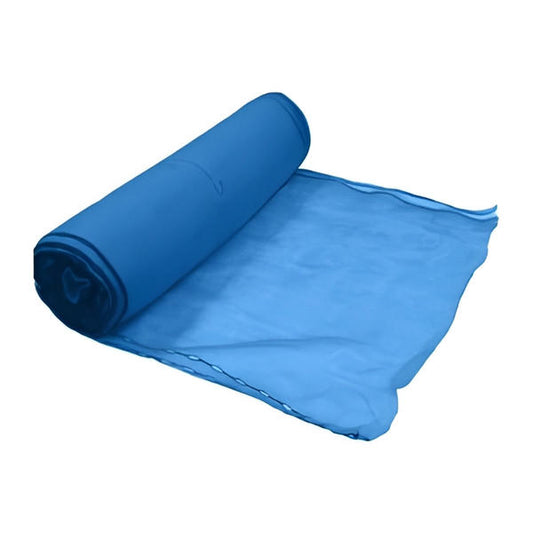
Powerclad Debris Netting 2m x 50m (100m2) - All Colours

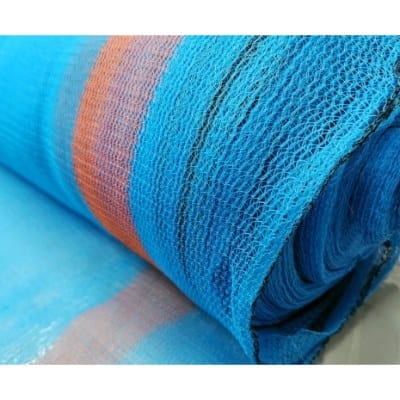
Powerclad Fire Retardant Debris Netting 2m x 50m (100m2) - Full Range

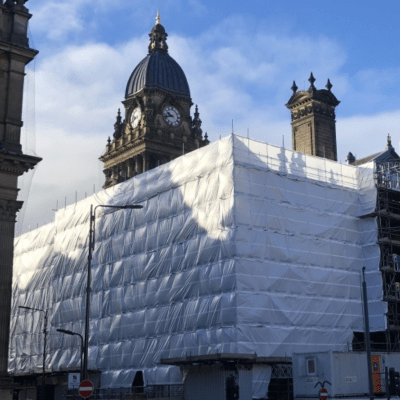
Powerclad Standard Fire Retardant Scaffold Sheeting - All Sizes

Powerclad Premium Fire Retardant Scaffold Sheeting - All Sizes

Powerclad Lite Scaffold Sheeting 2m x 45m (90m2)

Powerclad Standard XL Scaffold Sheeting 4m x 45m (180m2)

Powerclad Standard Scaffold Sheeting - All Sizes

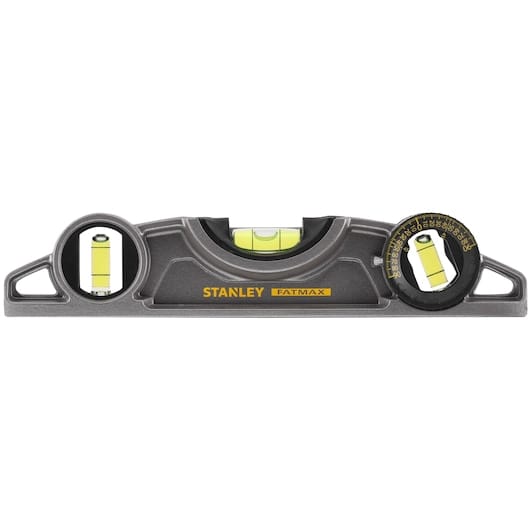
FatMax Pro Torpedo Level

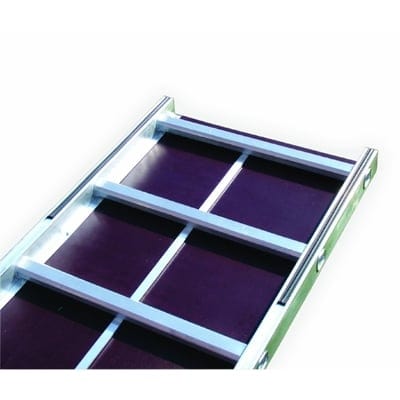
Lyte Class One Lightweight Staging Board - All Sizes

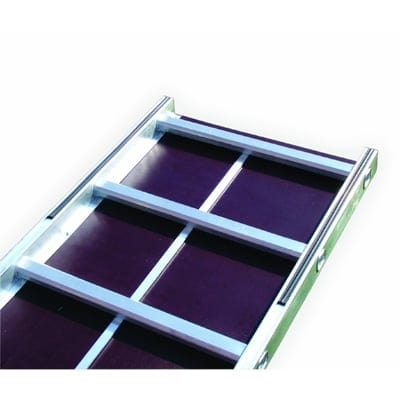
Lyte Class One Lightweight Staging Board - All Sizes

Lyte Staging Handrail Post to suit Staging board - All Sizes

Werner Pro Work Platform

Piperack Safety Handle - PRSH

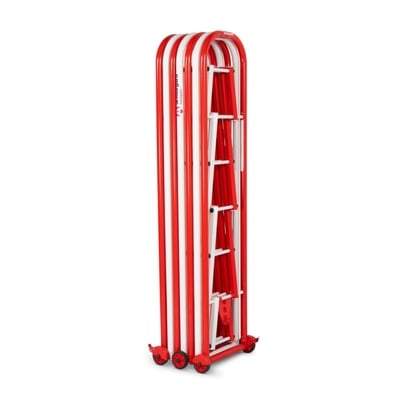
Instagate Expanding Pedestrian Barrier 4ft IG4 & 6ft IG6
Scaffold Planks | Scaffolding Planks | Scaffold Plank | Scaffolding
Scaffold Planks
Scaffold planks may seem like a mundane topic, but they play a crucial role in construction work. These boards, usually made of wood, are the base support for workers as they climb great heights while working on buildings or other structures. Scaffold type plank must be sturdy, reliable, and able to withstand the weight of construction workers and heavy equipment. Any defects in the planks for the scaffold could lead to accidents and serious injuries. That's why it's important to choose high-quality scaffold type planks that are thoroughly inspected before use. With the right planks in place, construction workers can safely and efficiently complete their work, knowing that they are standing on a solid foundation.
Scaffold Plank Types
Scaffold type planks are an essential part of construction and maintenance. They are used to construct a safe and stable structure for workers, equipment, and materials. Planks for scaffold come in different types, and it's essential to understand what they are and the differences between them.
Plywood Plank
Plywood planks for scaffold are the most common type used today. These planks for scaffold are made from layers of thin sheets of wood that are glued together. They can withstand a lot of wear and tear and are a good choice for scaffolding that will be used for an extended period. Plywood planks for scaffold come in different lengths and widths, and they are easy to cut to size. They are also affordable and widely available, making them a common choice for scaffolders.
Laminated Plank
Laminated planks for scaffold are strong and durable. They are made by gluing layers of wood together with adhesive resin under high pressure. This process creates a three-ply plank that resists warping and splitting, making it a good choice for longer-term scaffolding projects. Laminated scaffolding can be bought in different lengths and widths and can carry heavier loads than most other scaffolding.
Metal Plank
Metal planks for scaffold are often made from non-corrosive aluminum or steel. They can carry very heavy loads and are ideal for construction scaffolding. They come in different lengths and widths, and they are reusable, making them an excellent choice for large-scale construction projects. Metal planks for scaffold are also less likely to warp or crack than wooden planks. However, they are more expensive than plywood and laminated planks for the scaffold.
Scaffold Flooring
Scaffold flooring is a type of scaffold plank that is designed to be used as a work surface. They are made from different materials, including wood, metal, or plastic. Scaffold flooring planks are easy to install and remove, making them ideal for temporary projects. They are also available in different lengths and widths, and they can be bought with anti-slip coatings to prevent slip and fall accidents.
What is scaffolding?
Scaffolding may seem like just a temporary structure used in construction, but it plays an essential role in ensuring the safety of workers on site. Scaffolding provides a stable platform for workers to stand on while performing their tasks, and it also allows for easier access when working at different heights. The process of putting together scaffolding is a complex one that requires experience and knowledge. Scaffolders follow safety protocols and regulations to ensure that the structure is robust and secure. Overall, scaffolding is a crucial component in construction. Without it, construction work would be significantly more hazardous and difficult to carry out.
What type of planks are used for scaffolding?
When it comes to scaffolding, safety should always be the top priority. That's why it's important to choose the right materials, including the type of planks used. Scaffolding planks are typically made from either steel or wood, with each material offering its own unique benefits. Steel planks are durable, strong, and can support more weight, while wooden planks are more affordable and easier to replace. No matter which type of plank you choose, it's important to ensure that they are regularly inspected for any signs of wear or damage to keep workers safe while on the job.
What type of wood is used for scaffolding?
Scaffolding is an essential component of many construction projects, providing a reliable and safe way for workers to access hard-to-reach areas. But have you ever wondered what type of wood is used to make these structures? When it comes to traditional wooden scaffolding, the most common type of wood used is spruce. This type of wood is known for its strength and durability, which makes it ideal for use in construction projects. Additionally, spruce is a highly sustainable choice, as it grows quickly and is readily available in many parts of the world. So, the next time you see a wooden scaffold towering above a construction site, remember that it's likely made from spruce - a sturdy, sustainable, and reliable choice for builders worldwide.
What is the scaffold used for?
Scaffolds are temporary structures that are designed to support workers or materials during construction, maintenance, or repair work. The primary purpose of the scaffold is to make work easier and safer. Scaffolding is an indispensable tool whenever we need to work at heights or have to reach places that are out of reach. A scaffold essentially provides a platform to do this safely and efficiently.
1. Building Construction
The most common use of scaffolding is in construction projects. When constructing a multistory building, scaffolding helps workers to reach the different levels of the building safely. Scaffolds are built with adjustable height, and it is easy to install or remove them, making them the most suitable tool to use for high-rise building constructions. Additionally, scaffolding can be used to hold materials that construction workers can easily access and use.
2. Maintenance and Cleaning Services
Scaffolding is useful for the maintenance and cleaning of large structures such as bridges, towers, and monuments. These constructions may be too high or too large for a ladder, making a scaffold a better choice for these kinds of jobs. Scaffolding also allows maintenance workers to move around to different points on the structure to make necessary repairs.
3. Event Staging
Scaffolding can also be used to create temporary platforms for events such as concerts, exhibitions, and trade shows. A scaffold can be used as a stage for performers or can be erected for spectators to get a better view of the event.
4. Film Industry
Scaffolding is a primary tool in the film industry, used to build and create filming sets. With a scaffold, you can set up structures with unique heights and shapes that will give the scene a realistic look that wouldn't have been possible without the use of scaffolding.
5. House Renovation
Home renovations and repairs can be very challenging, especially when working in hard-to-reach areas. Scaffolding allows for easy access to these areas, making the work less risky, and the project can be completed quickly.
Scaffolding is essential in construction, cleaning services, event planning, movie production, and house renovation. The platform provides a safe and stable work area that can support and hold workers and their tools, and this ensures that work is done efficiently and without incidents. Scaffolding comes in various types that include frame scaffolding, suspended scaffolding, and specialty scaffolding, and different types are perfect for different projects.
What size of planks should be used on a scaffold?
When it comes to choosing planks for a scaffold, size definitely matters. The right size can mean the difference between a sturdy, safe platform and a dangerous accident waiting to happen. The standard plank size is typically 2 inches thick and 10 inches wide, but depending on the weight it needs to support, larger planks might be necessary. It's important to consider the span between supports as well when selecting the right size. Ultimately, the goal is to select planks that will provide a secure and stable surface for workers to stand on while they go about their tasks. So don't cut corners when it comes to plank size – it's always better to err on the side of caution and opt for bigger, sturdier planks.
What are scaffold types?
A scaffold is a temporary structure used to support workers and materials during construction, maintenance, and repair work. They provide a safer working environment while increasing productivity and efficiency on the job site. There are many scaffold types available, each with its unique applications and advantages blog Body:
Supported Scaffolding
The most commonly used scaffold type is a supported scaffold which consists of a platform supported by poles, legs, or frames. They are often used in building construction or repair, painting, and maintenance. These types of scaffold systems are sturdy, durable, and versatile.
Suspended Scaffolding
The suspended scaffold is typically used for high-rise buildings or structures where it is not practical to erect supported scaffolds or where access is difficult. They are designed to hang from overhead supports or cables and can accommodate workers, equipment, and materials. These scaffold types are suitable for window cleaning, bridge repairs, and painting.
Rolling Scaffolding
Rolling scaffold or mobile towers are movable and are designed to provide construction workers with easy access to different areas of a building or job site. They are equipped with wheels, brakes, and platforms and can be moved easily from one location to another. Rolling scaffolds are often used in painting, decorating, and repair work inside and outside buildings.
Pump Jack Scaffolding
A pump Jack Scaffold is a portable-supported scaffold that is used primarily in painting, outdoor maintenance, siding, and roofing. They consist of a frame, a platform, and a wheel, which when turned, raises the scaffolding higher.
Each scaffold type has its unique advantages, making them essential for different kinds of tasks. It is vital to use the right scaffold type depending on the job requirements, the environment, and the elevation. Selecting the right scaffold type helps ensure that the job gets done safely and efficiently.
Is aluminum scaffold plank better than wood scaffold plank?
Scaffold planks are horizontal platforms used in building construction, maintenance, and repair. They provide support to workers, tools, and materials while working at heights, elevations, or angles. Scaffold planks can be made of different materials, namely wood or aluminum.
Durability and Strength
aluminum scaffold planks are stronger and more durable than wood scaffold planks. aluminum is corrosion-resistant, rust-resistant, and non-combustible. It has a high strength-to-weight ratio, meaning it can withstand extreme loads, shock, and stress with minimal deformation or fatigue. aluminum can also withstand harsh weather conditions, such as high winds, hurricanes, and heavy rains, without getting damaged or compromised. On the other hand, wood scaffold planks are prone to decay, rot, fungi, and insect attacks. They can break, crack, or splinter under heavy weight or force, causing injuries or fatalities.
Work-Site Safety
aluminum planks for scaffold are safer than wood planks for scaffold due to their slip-resistant surface and anti-skid feature. The aluminum plank has a textured finish, ridged edges, and perforated holes that enhance footing, grip, and stability, even in wet, oily, or muddy conditions. This anti-skid feature reduces the risk of slips, falls, and accidents, protecting workers and property. Furthermore, aluminum scaffold planks comply with various OSHA regulations and standards, such as load capacity, deflection, bending strength, and fall protection, ensuring a safe and secure worksite.
Cost and Maintenance
Aluminum planks for scaffold are more expensive than wood planks for scaffold, costing up to 50% more than their counterparts. However, they offer a higher return on investment (ROI) due to their durability, reliability, and long service life. aluminum planks last up to 5 times longer than wood planks, meaning they require less frequent replacement, repair, or maintenance. Wood planks need regular treatment, sealing, and staining to prevent decay or rot, which increases their operational cost and downtime.
Moreover, aluminum scaffold planks comply with various OSHA regulations and standards, such as load capacity, deflection, bending strength, and fall protection, ensuring a safe and secure worksite. Therefore, if you're looking to improve your construction or maintenance worksite's efficiency, productivity, and safety, consider investing in high-quality aluminum planks for scaffold.