Rated Excellent
You may be interested in

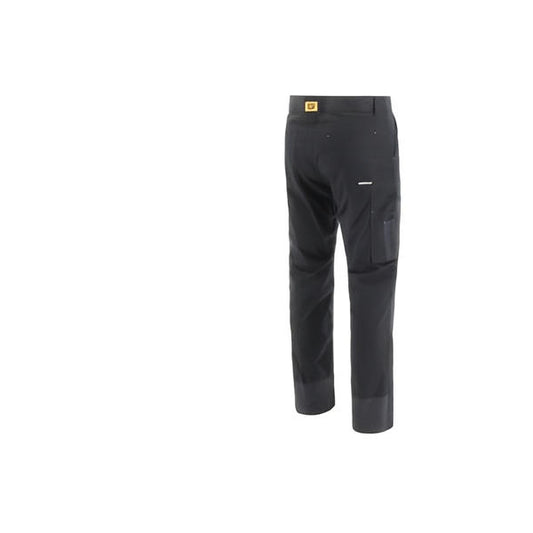
Caterpillar Essentials Machine Trouser

Rustins Chalky Finish Paint - Savoy Sage

Therrawood Starter Profile Natural - 3.6m

Ronseal Multipurpose Wood Filler Cartridge 310ml - Natural

Ronseal Quick Drying Woodstain 250ml - Natural Oak

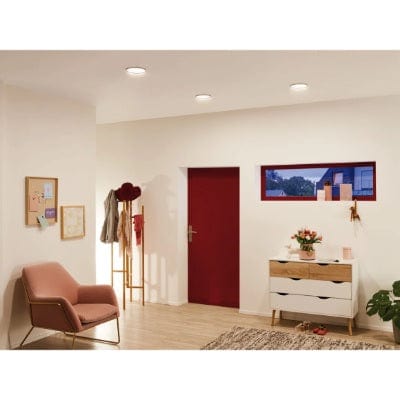
Areo Round LED Recessed Panel Dimmable

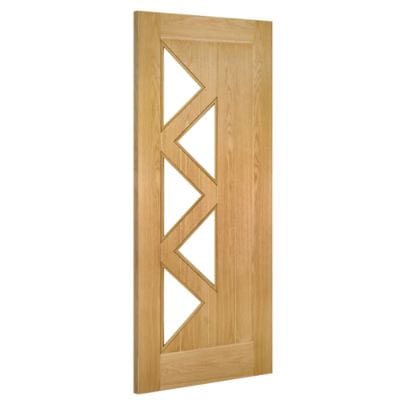
Ely Oak Prefinished 5 Glazed Light Panels Internal Door - All Sizes


Sunstone Cabinet Side End Panel (for Left or Right Side)

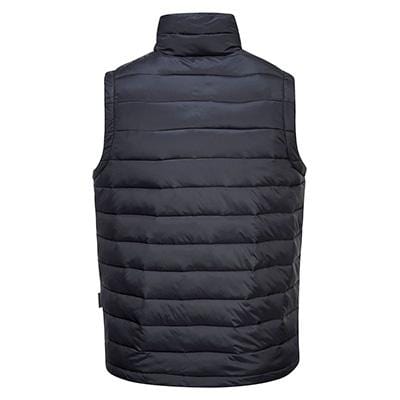
Aspen Baffle Gilet - All Sizes
Marshalls Kerbs | Marshalls Kerb
Marshalls Kerbs
The kerb plays an essential role in urban design but often goes unnoticed. Its choice of edges and stones can have a meaningful impact on the aesthetic of a construction project. With its reputation as one of the longest-established kerb suppliers in the UK, Marshalls offers an extensive selection that can be tailored to any design. From delineating paths, paving surfaces and constructing wayfinding applications, the Marshalls kerb range supplies robust solutions for your needs.
Why choose marshalls kerbs?
Marshalls has been a leading innovator in kerb edge and stone design for over two centuries. Their continuing commitment is seen across the UK – from small towns to shopping centres, marshalls provide that traditional sense of quality combined with modern advancements. The marshalls design team create memorable designs as well as metropole-level infrastructure projects that feature marshall stones, helping them become the UK's premier supplier of commercial kerb. No matter what type of project marshalls are involved in, they remain committed to delivering the same level of excellence they have become renowned for.
Why it is a popular kerb brand?
Marshall's kerb stone provides an unbeatable combination of consistency, durability and performance. This makes our kerb stones the perfect choice for both commercial and domestic use, as they are specially engineered for superior resistance to all kinds of climates and conditions. Each kerb stone is specifically designed for its intended purpose and provides a highly versatile kerb solution that can be applied across multiple construction and landscaping projects. As a result of their ideal combination, marshalls kerb stone has become one of the most popular brands available on the market today.
What is the size of a kerb?
The view of traditional kerbs is typically one of 915 mm in length, but a range of shorter lengths are also available. Radius kerbs are known for their size and typically only measure 780 mm in length. However, an exact upward view may be discerned in all other types of kerbs that feature a waterline or watermark that extends beyond the surface level and surface water. This view helps to inform professionals and urban planners what the true nature of each kerb type is designed for and given this view, another perspective can be gained when planning for the future.
How many types of kerb stones are used on roads?
The view we have of a kerb can vary greatly, but there are actually four distinct types of kerbs out there.
Low or Mountable Kerbs
Low and mountable kerbs, also known as class I kerbs, are commonly used to control traffic within a lane view. Its primary purpose is to increase the visibility of the edge of the pavement.
Urban Parking Kerbs
Low-speed barriers, also known as class II kerbs, are an effective way to channel pedestrian traffic and protect against encroachment. Urban parking can be a tricky maneuver if vehicles are not channeled appropriately by these kerbs.
High-Speed Barrier Kerbs
High-speed barrier kerbs, or class III kerbs, play an important role in channeling vehicles. Found in bridges, mountains, and other critical pathways, these kerbs are strong and resilient to support high speeds and the weight of larger vehicles.
Submerged Kerbs
A submerged kerb, also referred to as a Class IV kerb, is installed on rural roads along the sides and shoulders of the pavement. It serves two purposes: firstly, it creates a channel that allows water to flow from the roadway into pre-drilled drain grids and prevents pooling; secondly, it helps to keep drivers within their lanes by forming a physical barrier. As such, it is an important safety feature along country roads and should not be overlooked.