Rated Excellent
You may be interested in

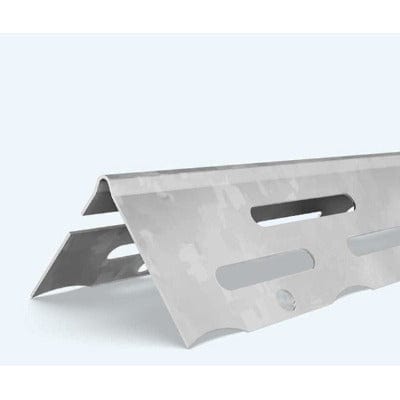
Thin Coat Galvanised Angle / Corner Bead x 2.4m
People also searched for...
dowelDecorative Beading | Decorative Moulding | Mouldings
Decorative Beading
Decorative mouldings are a cost-effective way of adding a traditional touch to your home décor. mouldings come in a variety of styles, including Ogee, astragal, reeded, barrel and more. mouldings can be used to accentuate doors, windows, fireplaces and other architectural features in your home. mouldings can also be used to create decorative elements in your kitchen, such as an island or breakfast nook. mouldings are available in a variety of materials, including wood, plaster and composite. mouldings can be installed using a variety of tools and accessories.
we have the largest range of mouldings in the South East. Our premium quality decorative beading comes in a wide variety of designs, including ogee, torus, rounded, chamfered and ovolo. We also offer a variety of timbers, such as premier redwood pine, sourced and machined by us. Our redwood pine is carefully selected for its density and stability, ensuring crisp cuts for clean and sharp moulding profiles. It's also machined to a super smooth finish, ready to paint or stain.
Decorative Timber
Timber premier planed is the best way to accessorize your home while adding style and functionality. Our decorative timber is available in Pine, Oak, MDF and PVC, and can be used for a wide range of purposes such as joining two panels or hiding where the floor and wall meet. We also offer a wide range of timber accessories for your kitchen, including shop fronts, cornices, pelmets, columns, skirting boards and more. With our extensive range of timber products, we are sure to have something to suit your every need.
What is decorative moulding called?
Decorative moulding is defined as the trim around doors and windows, moulding around the ceiling, baseboards on the perimeter of a room, and any type of panelling, such as shiplap and wainscoting, explains Gray-Plaisted. According to Gray-Plaisted, smooth natural pine is the best type of wood to use for decorative moulding because it takes paint well and is relatively inexpensive. When installing door moulding, make sure the door is flush with the Opening so that the moulding can be evenly applied. Placing moulding in strategic locations can add visual interest to a space without overwhelming it. For example, millwork around a fireplace creates a frame that highlights the feature. Baseboards provide a finished look to a room and help protect walls from furniture and other scuffs. Wainscoting can be used to add texture and colour to a space, and shiplap can be used to create an accent wall or divide two rooms. Decorative moulding is a simple way to add interest and value to your home.
Decorative mouldings are a great way to add character and style to any room. They can be made from a variety of materials, including softwoods, hardwoods, composite materials, polyurethane, stone, and polystyrene with fiberglass. Bead moulding is a type of decorative moulding that features a small bead or ridge running along its length. It is commonly used to add detail to doors, windows, and furniture. Timber planed softwood is popular for bead moulding as it can be easily cut and shaped to create the desired effect. However, bead moulding can also be made from hardwoods, composite materials, and even stone. No matter what material you choose, bead moulding is an easy way to add interest and detail to any space.
Types of Decorative Moulding:
Crown Moulding
Crown moulding is literally what you think—an overhead crowning touch that flares out in the space where the walls and ceiling meet. Also known as cornice moulding, it may be elaborate, with decorative cutouts, or simple and linear design. No matter its form, crown moulding is an elegant addition to any room. It can be made from a variety of materials, including wood, plastic, and metal, and it comes in a wide range of styles to suit any décor. Crown moulding can be installed around doors and windows to create a dramatic frame, or it can be used to accentuate the junction of walls and ceilings. It can also be painted to match or contrast with the existing colour scheme of a room.
Chair Rail
A chair rail is a thin wooden detail that bisects a room horizontally at heights between 36 and 45 inches. It is designed to protect the lower part of the wall from dings and scratches caused by chairs. Chair rails were originally used in heritage homes to protect the lower half of walls from damage caused by chairs. Today, chair rails are still used for this purpose, but they can also be used to create a visual break in the room or wall. They can be painted to match the color of the wall or to create a two-tone effect with the color above and below the rail. Chair rails can also be used to hang pictures or other accessories.
Picture Frame Moulding
Picture frame mouldings are trim pieces that are used to add detail to walls. They are typically made of wood or plastic and come in a variety of colours and styles. Picture frame mouldings can be used alone or in combination with other trim pieces to create a variety of looks. For example, they can be used to create the look of panelling on an otherwise plain expanse of wall. They can also be used on the ceiling to mimic a tray or coffered ceiling. In addition, picture frame mouldings can be used in the bathroom to create floating units or as accessories in a shower stall.
Casing
Low to the ground, they required less expensive material and could be more easily covered with a single piece of casing. As a result, they were commonly used in lower-status homes. In contrast, the upper classes favored taller doors, which were more difficult and costly to construct. These doors were often embellished with multiple pieces of casing, each adding its own level of detail to the overall design. Today, casings are still used to refine the appearance of doors and windows. They can be customized to match the style of the room, and their simple lines help to underscore the design of the space.
What are the white borders on walls called?
Efflorescence is a phenomenon that occurs when water passes through a wall and then evaporates on the surface, leaving behind mineral deposits. These deposits can take the form of a fine white powder, which can be unsightly and may eventually damage paint or other finishes. Efflorescence is most commonly seen in softwood timber walls, but can also occur in other materials such as brick or concrete. While it is not harmful to the underlying structure, efflorescence can be difficult to remove and may require specialised cleaning products or methods. In some cases, the only way to prevent efflorescence is to waterproof the wall from the inside.
There are a number of ways to keep a wall from getting wet. The cheapest solution would be to paint the exterior side of the wall with breathable, vapour-permeable paint. The more complete and permanent solution would be to cover the exterior side of the wall with some type of breathable, vapour-permeable weather bar. either softwood timber premier or aluminium. This will protect the door, kitchen and tiles from any damage that could be caused by moisture movement through the wall. In addition, it is important to keep the wall clean and free of any debris that could block the passage of water.
What are decorative Mouldings used for?
Trim and moulding can be used to add a touch of style to any room in your home. However, how and where you install the trim will differ depending on the type of moulding you are using. For example, baseboards and crown mouldings are typically installed throughout the entire house, while decorative mouldings like picture rails are usually used only in specific areas, such as dining rooms or living rooms. When shopping for trim and moulding, be sure to keep the intended application in mind. This will help you select the right accessories and ensure that you get the most out of your purchase.
Where to apply specific types of moulding shown below:
Wall and Ceiling: Chair rail, panel moulding, wainscoting, picture rail and crown moulding
Floor: Baseboard moulding
Doors and Windows: Casing or architraves
There are many different types of molding available on the market today, making it easy to find the perfect style to complement your kitchen. However, all molding is installed using nails and a hammer. Other tools that you may need include a miter saw, finishing nailer, finishing nails, and coping saw. It is also important to have a tape measure, level, and pencil on hand. Installing molding in your kitchen is a great way to add visual interest and value to your home. Crown molding can be used to create a dramatic effect, while baseboard molding can be used to add a touch of elegance. Adding new cabinets or accessories is also a great way to change the look of your kitchen without having to replace all of the existing cabinets.
MDF sheets are an excellent option as they are very durable and easy to work with. Hinges are another important consideration when selecting new cabinets as they will determine how the doors open and close. Selecting the right hinges for your project will ensure that your doors function properly and look great.
What is the trim above a door called?
The architrave is a decorative moulding that is sometimes used instead of the casing around doors. It is the horizontal trim piece that is located above the door. Architraves are generally wider and thicker than casings and they are not mitred around the door. Architraves can be used alone or in combination with other mouldings to create decorative accents around doors. They are also often used in conjunction with ornamental door hardware to add a touch of elegance to a room. When choosing an architrave, it is important to consider the overall style of the room and the door itself in order to ensure that the moulding complements the rest of the space.
Can Trim Paint be used on doors?
Trim paint is decorative paint used on door and window trims, crown mouldings, and other decorative features. It is most commonly a semi-gloss finish and can be used in a variety of colors. Timber premier planed is a common trim paint finish. It is basket smooth natural with a decorative screw pattern. Trim paint can also be used on timber doors, windows, and trim panels. It is available in a variety of colors and can be custom ordered to match your home's decor.