Rated Excellent
You may be interested in

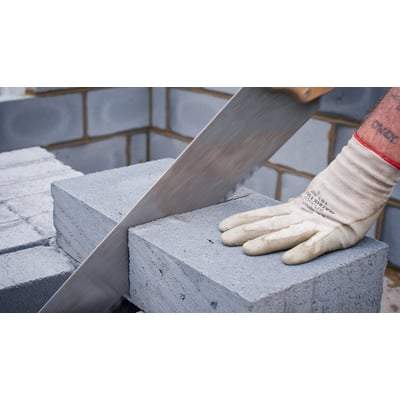
Standard Aerated 3.6N Concrete Block 440mm x 215mm - All Sizes

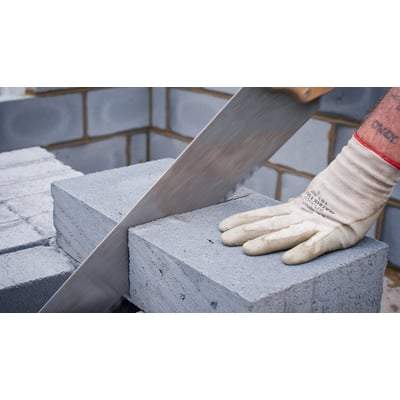
Standard Aerated 7.3N Concrete Block 100mm x 440mm x 215mm (Pallet of 120)

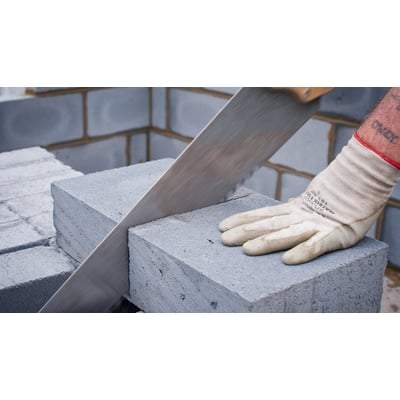
Solid Dense Concrete Block 7.3N 100mm x 440mm x 215mm (Pack of 36)

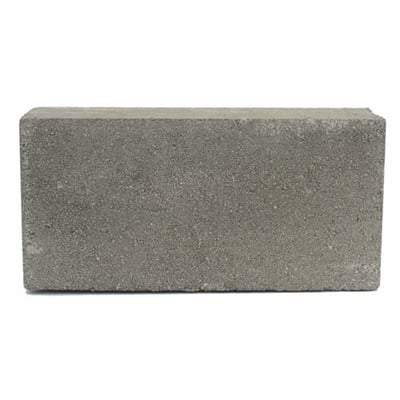
Medium Dense Concrete Block 7.3N 140mm x 440mm x 215mm (Pack of 32)

Hollow Dense Concrete Block 7.3N - 215mm x 440mm x 215mm (Pack of 32)

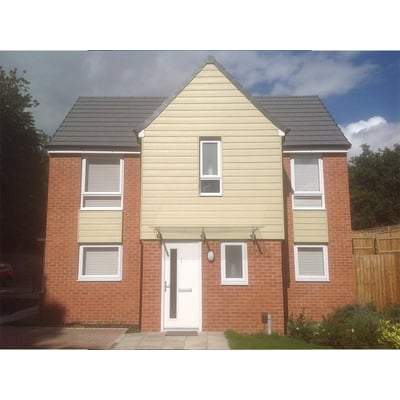
Takeley Red Facing Brick 65mm x 215mm x 102mm (Pack of 520)

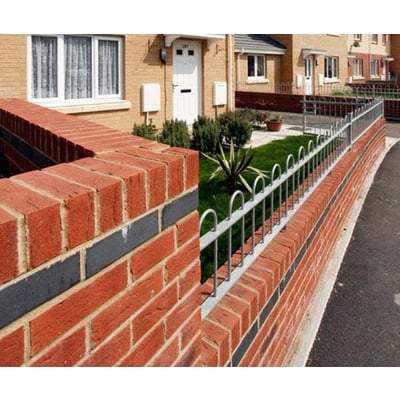
Tuscan Red Multi Facing Brick 65mm x 215mm x 103mm (Pack of 430)

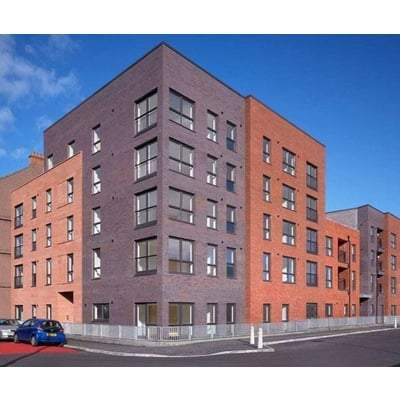
Tradesman Heather Mix Facing Brick 65mm x 215mm x 102mm (Pack of 500)

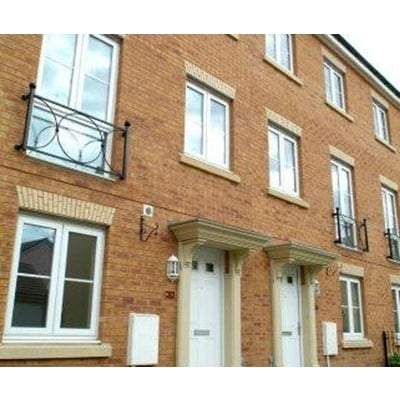
Harvest Buff Multi Facing Brick 65mm x 215mm x 102.5mm (Pack of 500)

Maranello Tbs (Pack of 552)

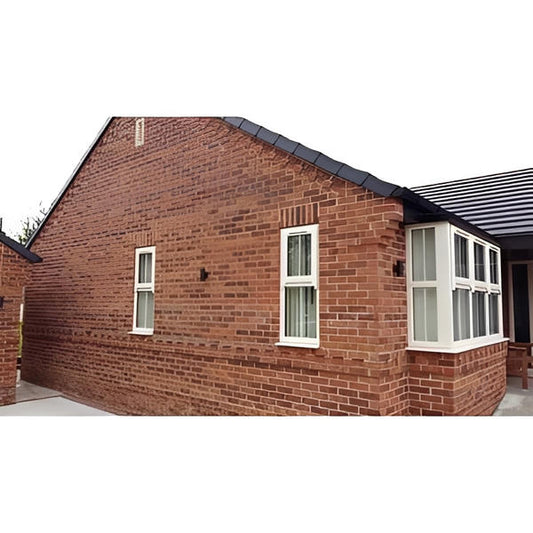
New Kingsville Red Multi Facing Brick 65mm x 215mm x 102.5mm (Pack of 520)

Smeed Dean London Stock Yellow Facing Brick 65mm x 228mm x 102.5mm (Pack of 500)


1st Quality Multi Stock Facing Brick 65mm x 215mm x 102.5mm (Pack of 400)

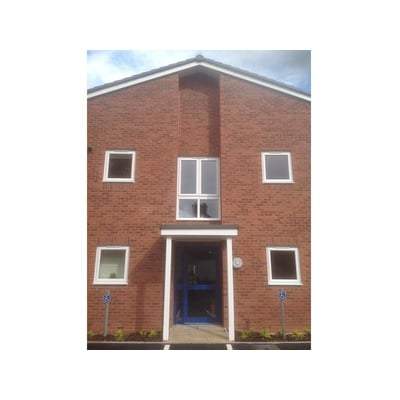
Stapleford Red Multi Facing Brick 65mm x 215mm x 103mm (Pack of 520)

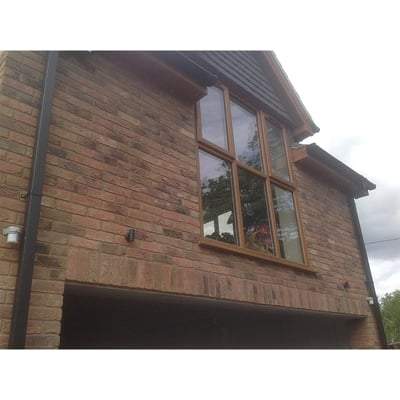
Topaz Red Facing Brick 65mm x 215mm x 102mm (Pack of 660)

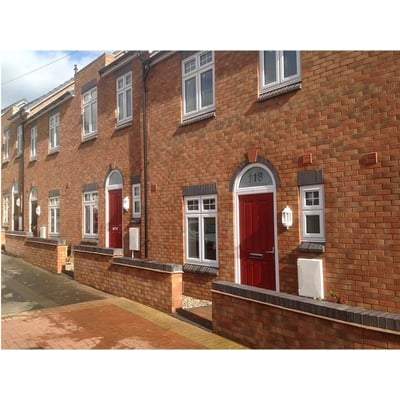
Lambourne Red Multi Mix Facing Brick 65mm x 215mm x 102mm (Pack of 520)

Imperial Stratford Weathered Yellow Stock Reclaimed Facing Brick 68mm x 230mm x 105mm (Pack of 360)

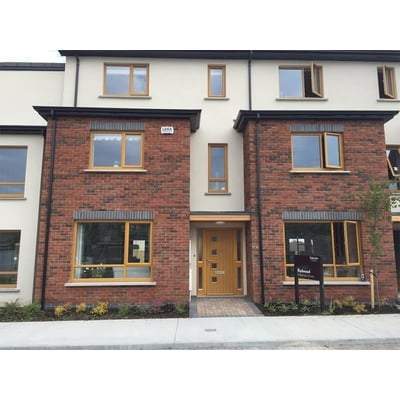
Rangemoor Red Multi Facing Brick 65mm x 215mm x 102mm (Pack of 660)

Hoskins Maltings Antique Red Facing Brick 65mm x 215mm x 102mm (Pack of 620)

Master Grade Cement 25kg
Breeze Block | Breeze Blocks
Breeze Blocks
Breeze blocks are a practical and stylish building solution widely used for creating decorative walls, garden screens, ventilation panels, and feature partitions in both residential and commercial projects. Combining durability with visual appeal, breeze blocks allow airflow and natural light to pass through while maintaining structure and privacy. At Build4Less, our collection of breeze blocks includes a variety of patterns, finishes, and sizes suitable for modern landscaping, boundary walls, patios, and architectural designs.
Whether you are upgrading an outdoor space or designing a contemporary feature wall, breeze blocks provide a cost-effective and low-maintenance option.
Benefits of Breeze Blocks
- Excellent airflow and ventilation
- Decorative and modern appearance
- Durable and weather-resistant construction
- Suitable for indoor and outdoor applications
- Low-maintenance and long-lasting
- Ideal for privacy screens and feature walls
- Easy to install and customise
Common Applications of Breeze Blocks
Breeze blocks are extremely versatile and can be used across a wide range of projects, including:
- Garden partition walls
- Decorative fencing and screening
- Patio and terrace enclosures
- Carport and driveway dividers
- Ventilation walls for utility areas
- Commercial landscape features
- Indoor feature walls and room dividers
Choosing the Right Breeze Blocks
When selecting breeze blocks, consider the following factors:
Design and Pattern
Different breeze block patterns create unique visual effects. Geometric and open-style designs are ideal for contemporary spaces, while more traditional styles work well in classic garden settings.
Size and Thickness
Choose the appropriate block size depending on the structural requirements of your project. Larger blocks can speed up installation, while thicker blocks may provide increased durability.
Installation Location
For external applications, select weather-resistant concrete breeze blocks suitable for long-term outdoor exposure.
Ventilation and Privacy
Some breeze blocks offer greater airflow, while others provide enhanced screening and privacy. Consider the balance needed for your project.
Installation Tips for Breeze Blocks
- Ensure the base or foundation is level and stable before installation.
- Use quality mortar suitable for concrete block applications.
- Check alignment regularly during installation for a professional finish.
- Seal or paint breeze blocks if additional weather protection or colour enhancement is required.
- Allow proper curing time before applying heavy loads or finishes.
Why Choose Build4Less for Breeze Blocks?
At Build4Less, we offer a carefully selected range of breeze blocks designed for quality, durability, and style. Whether you are creating a decorative garden wall or a functional ventilation feature, our products provide reliable performance at competitive prices. We work with trusted manufacturers to ensure consistent quality and fast UK delivery on a wide range of building materials.
Our knowledgeable team is also available to help you choose the right breeze blocks for your project requirements.
When working with breeze blocks, it’s important to use compatible construction materials and accessories to ensure a strong and long-lasting build. For example, you can browse a wide range of concrete blocks for additional structural and load-bearing solutions suitable for modern construction projects.
If your project includes wall finishing or insulation improvements, you can also explore plasterboard and drylining materials to achieve a smooth and professional interior finish.
For external and landscaping projects, it’s worth browsing durable paving and garden materials to complement breeze block walls, patios, and outdoor structures.
Frequently Asked Questions (FAQs) – Breeze Block
1. What is a breeze block?
A breeze block is a concrete building block commonly used in construction for walls, partitions, foundations, and landscaping projects. They are known for their strength, durability, and versatility in both residential and commercial applications.
2. What are breeze blocks used for?
Breeze blocks are widely used for load-bearing walls, garden walls, partition walls, extensions, garages, and decorative screens. Their durability and ease of installation make them suitable for a variety of construction projects.
3. What is the difference between breeze blocks and concrete blocks?
The terms are often used interchangeably. Traditionally, breeze blocks referred to lightweight blocks made with ash or clinker, while modern concrete blocks are manufactured using cement and aggregates for improved strength and performance.
4. Are breeze blocks good for insulation?
Many breeze blocks offer good thermal and acoustic insulation properties, particularly aerated or lightweight variants, helping to improve energy efficiency and reduce sound transfer.
5. Can breeze blocks be used outdoors?
Yes, breeze blocks are suitable for outdoor applications such as garden walls, retaining walls, and decorative landscaping features due to their weather resistance and durability.
6. Are breeze blocks easy to install?
Breeze blocks are relatively easy to install because of their larger size compared to traditional bricks, allowing faster construction and reduced labour time.