Rated Excellent
You may be interested in

Prime and Seal x 5 Litre

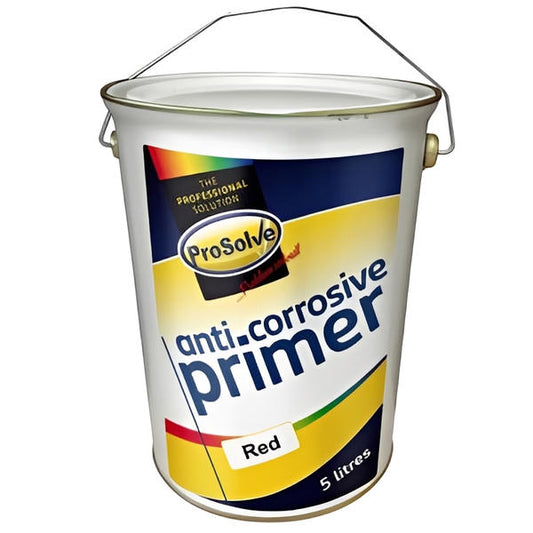
Oxide Primer x 5 Litre- All Colours

Anti-Skid Additive x 5 Litre

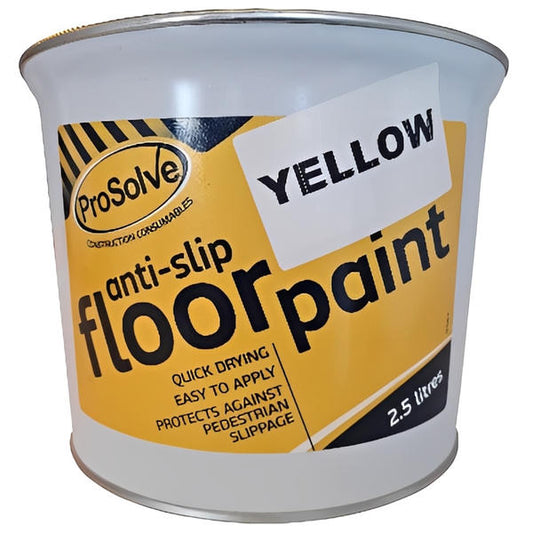
Anti Slip Floor Paint x 2.5 Litre - All Colours

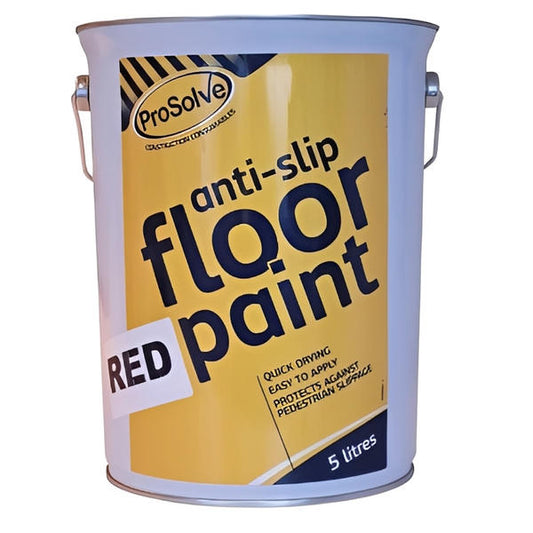
Anti Slip Floor Paint x 5 Litre - All Colours

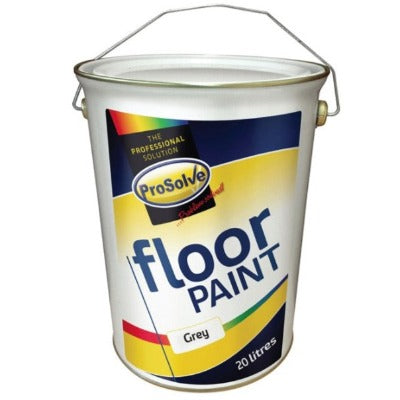
Floor Paint - All Colours

AirSeal 310 FR Sealant

Knauf Bonding Compound Plasterboard Adhesive 25kg

Xpanda Expanding Foam Tape - All Sizes

British Gypsum Thistle Hardwall Plaster 25Kg Bag

Breathaplasta Smooth Finishing Plaster x 20Kg

Breathaplasta Universal Breathable Plaster x 18Kg

Probond RG Tape - 15mm x 22.5m Roll

IKO Hyload DPC Joint Tape - 100mm x 10m

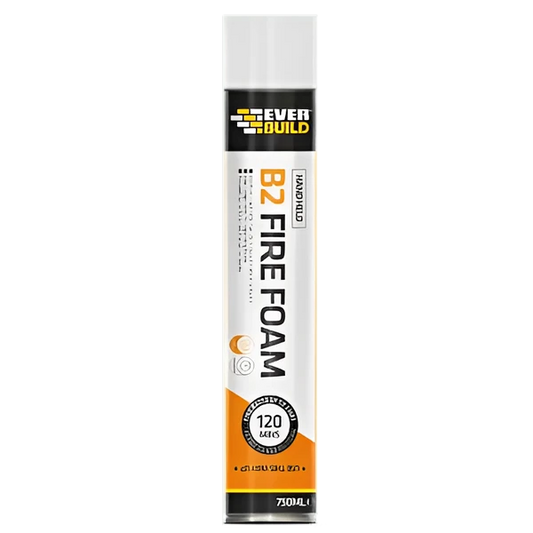
Fire Foam Hand Grade Aerosol 750ml

Pinkgrip Cartridge 350ml

Knauf Coving Adhesive 5Kg

Solar Reflective Paint - All Sizes

Rubber Bitumen Emulsion - All Sizes

Felt Adhesive - All Sizes
Bitumen Sealant | Sealants
Bitumen Sealant
Bitumen sealant is a one-component sealant that contains bitumen-based solvents. It is used for sealing, glueing and fast repairs in finishing works in construction. They can be painted and applied to damp surfaces. Bitumen sealants are available in different grades, depending on the intended application. For example, grade 1 sealants are suitable for interior applications, while grade 3 sealants are designed for exterior use. The sealant should be applied to a clean, dry surface and allowed to cure for 24 hours before being exposed to traffic or weather conditions. After application, the bitumen sealant will provide a durable, water-resistant seal that will help to protect the underlying surface from the elements.
Types of Sealants
There are seven types of sealant that are most common in construction.
Acrylic:
Not Prone to shrinkage and used in commercial and exterior applications.
Butyl:
This can be used in curtain wall systems, where adhesion to rubber materials is needed
Polysulfide:
It is used in swimming pools or other underwater applications and they are costly
Silicone:
They are costly, used in glass assemblies and have a strong odour
Polyurethane:
They are costly but also durable
Polyisobutylene:
They are used as the primary seal for insulating glazing units
Bituminous Products
Bituminous products, such as asphalt, are commonly used in the construction and repair of roads, car parks, pavements and driveways. Asphalt is a naturally black material, which results in a darker finish compared with cement-based concrete. In addition to asphalt, limestone fillers are often added to help strengthen the final product. Similar to cement, the addition of limestone fillers helps to improve the strength of the final product. Asphalt is a durable material that is resistant to weathering and wear. When properly installed, asphalt can provide many years of service. Asphalt is also easy to repair if it becomes damaged. With proper maintenance, asphalt surfaces can last for many years.
Bitumen Cold Joint Sealer
Bitumen cold joint sealer is a construction-grade sealant designed for the easy sealing of vertical joints in asphalt. The bitumen spray is applied via an aerosol can and provides great coverage with a touch dry time of just 5 minutes. Bitu-spray is also fast curing, making it ideal for use in a variety of construction applications. In addition to sealing vertical joints in asphalt, the sealant can also be used as a tack coat for pot hole repair and for sealing around iron work. The bitumen spray can also be used for emergency roof repairs, with instant waterproofing properties. For best results, bitumen cold joint sealer should be used in conjunction with a bitumen primer.
The invention provides solvent-free hot melt compositions that can be used as joint sealants, adhesives, caulking compounds, or the like. The compositions are produced by intimately blending elastomeric polymers with tackifying resins and plasticizers to obtain products having a hardness at room temperature of at least about 5 on the Shore A Durometer scale while being sufficiently soft at temperatures of about 50°F or higher to permit them to be easily extruded or otherwise applied. Adhesion promoters, lubricants, fillers, and the like are preferably added to the composition to improve the properties thereof. The products are characterized by their stability over a wide range of temperatures, their resistance to oxidation and weathering, and their low moisture vapour transmission properties. The compositions of the invention provide construction sealants that exhibit improved performance properties relative to prior art construction sealants.
Can Adhesive be applied as a sealant?
Although certain chemistries work better as adhesives or as sealants, many adhesive technologies can be formulated to work as both. However, it is important to note that sealants typically do not have enough adhesion ability to hold two surfaces together. They are not meant to be used as primary bonding materials and are instead subject to creep under load. With that said, sealants are often used on outside surfaces where they can be more effective. When exposed to the elements, regular adhesives may not hold up as well as a sealant would. For this reason, it is important to understand the difference between adhesives and sealants in order to choose the best option for the job at hand.